
Most women train their abs. Very few train their core correctly. And almost no one talks about the pelvic floor until something goes wrong.
If you’ve ever experienced:
Lower back pain
Leaking when you sneeze or jump
A stubborn “lower belly pooch”
Weakness during lifts
Feeling disconnected from your midsection
There’s a good chance your pelvic floor and deep core aren’t functioning optimally.
This is the missing piece in most women’s workouts.
Let’s fix that.
What Is the Pelvic Floor?
Your pelvic floor is a group of muscles that sit at the base of your pelvis.
Think of it as a supportive hammock.
It supports:
Bladder
Uterus
Rectum
It also works together with:
Deep core muscles (transverse abdominis)
Diaphragm
Glutes
Lower back
This entire system works as a pressure-regulating unit.
When one part is weak or uncoordinated, the others compensate.
Why Traditional Ab Exercises Aren’t Enough
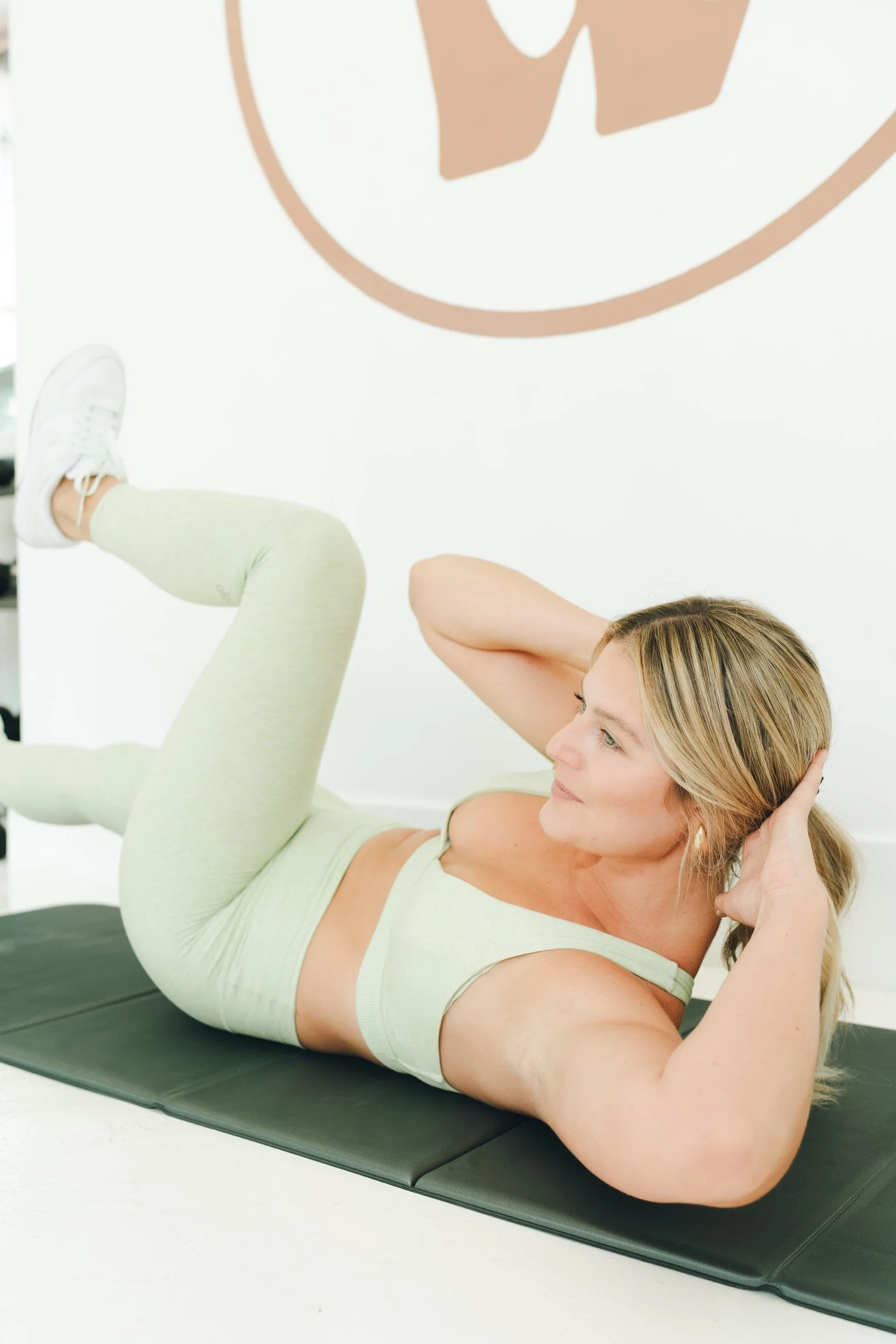
Crunches, sit-ups, and planks primarily train surface muscles.
But true core stability starts deeper.
Your deep core system includes:
Transverse abdominis - your internal corset
Diaphragm - breathing muscle
Multifidus - spinal stabilizers
Pelvic floor
If you skip this foundation and jump straight into high-intensity workouts, you may:
Increase intra-abdominal pressure
Worsen pelvic floor dysfunction
Strain your lower back
See little progress in core definition
Core strength isn’t about doing more reps, it’s about coordination and control.
Signs Your Pelvic Floor Needs Your Attention
You don’t need to have given birth to experience pelvic floor dysfunction.
Common signs include:
Leaking urine during jumping or running
Difficulty engaging your lower abs
Pain during intercourse
Feeling heaviness in the pelvic area
Lower back tightness
Core “doming” during sit-ups
These are signals, not something to ignore.
Why This Matters for Muscle Definition
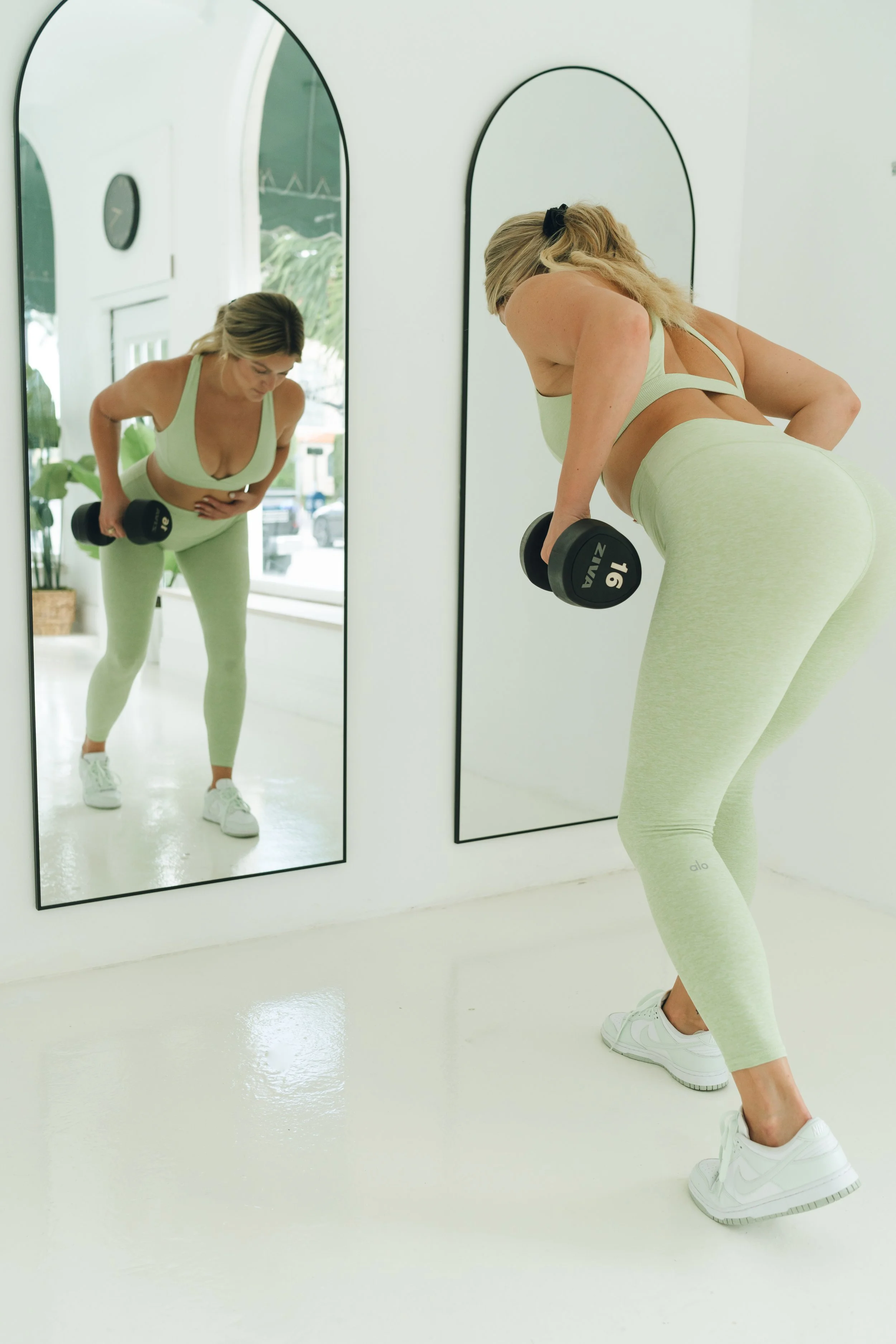
Here’s what most women don’t realize:
You can’t build strong glutes or a defined midsection on a weak foundation.
The pelvic floor and deep core stabilize your spine during:
Squats
Deadlifts
Lunges
Overhead presses
Running
If your core system isn’t functioning well:
Strength gains stall
Back pain increases
Glute activation decreases
Belly definition becomes harder
Strong core coordination improves everything.
Once your core is working properly, building lean muscle becomes a lot easier and way more effective.
If you’re not sure how to structure your workouts without living in the gym, I break it down here:
👉 How to Build Lean Muscle as a Busy Woman Without Living in the Gym
The Breathing Connection - Most Overlooked Step
Core strength begins with breathing.
Your diaphragm and pelvic floor move together.
When you inhale → diaphragm lowers → pelvic floor lengthens
When you exhale → diaphragm rises → pelvic floor gently contracts
If you constantly “suck in your stomach” or brace improperly, you disrupt this natural rhythm.
Learning to breathe properly during lifts improves:
Stability
Strength
Core engagement
Pelvic floor function
Breath work is not fluff. It’s fundamental.
How to Strengthen the Pelvic Floor & Deep Core
You don’t need to do endless Kegels. In fact, some women have overly tight pelvic floors and need relaxation, not constant contraction.
Here’s a smarter approach:
Diaphragmatic Breathing
Lie on your back
Inhale into your rib cage and belly
Exhale slowly while gently engaging lower abs
Dead Bugs
Keep ribs down
Maintain controlled breathing
Move slowly
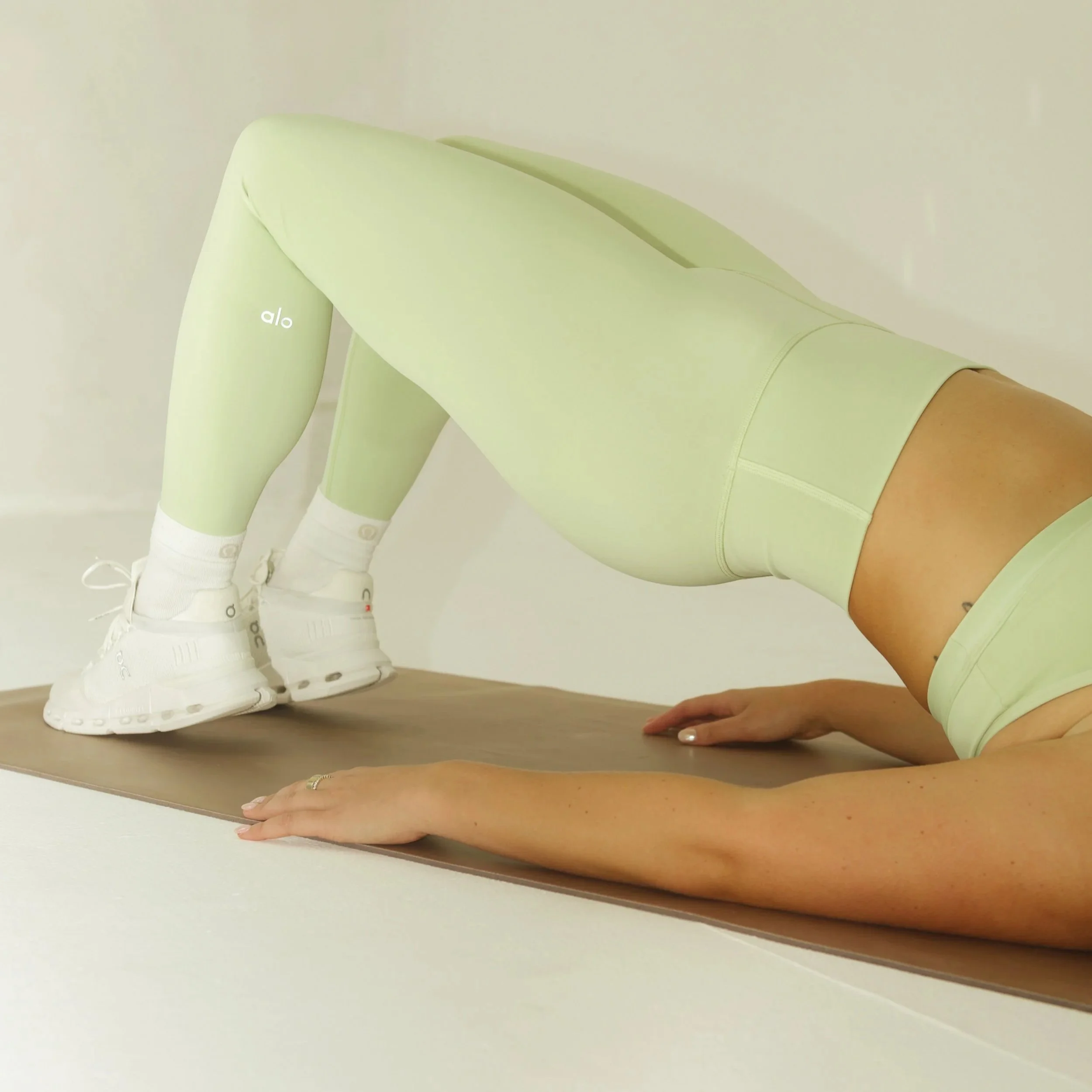
Glute Bridges
Strong glutes support pelvic alignment.
Drive through heels and maintain a neutral spine.
Bird Dogs
Build spinal stability and deep core activation.
Move slowly with control.
Progressive Strength Training
Once foundational stability improves, compound lifts help integrate pelvic floor strength into real movement.
This includes:
Squats
Romanian deadlifts
Split squats
Hip thrusts
If you’re working on building strength, improving your routine or just want more structure without the overwhelm, I’ve put together tools and guides to help you stay consistent.
👉 Explore my storefront here
Pelvic Floor Strength During Different Life Stages
Postpartum
Rebuilding coordination before returning to high-impact training is essential.
Perimenopause & Menopause
Hormonal changes can affect connective tissue and muscle tone. Strength training becomes even more important.
Athletes & Lifters
Even high-level lifters benefit from pelvic floor awareness to prevent dysfunction.
This is not just a postpartum issue.
It’s a women’s strength issue.
Why Core Training Should Look Different for Women
Women’s anatomy differs from men’s.
Pregnancy, hormonal fluctuations, and pelvic structure change how pressure is managed in the core.
Training should emphasize:
Stability before intensity
Breath control
Glute integration
Progressive load
Not endless ab circuits.
Frequently Asked Questions (FAQS):
1. Should all women do Kegels?
Not necessarily. Some women have tight pelvic floors that need relaxation, not more contraction. Assessment by a pelvic floor physical therapist is ideal if symptoms are present.
2. Can pelvic floor weakness cause belly bulge?
Yes, poor core coordination can contribute to abdominal protrusion, even in lean women.
3. Is leaking during workouts normal?
Common, yes.
Normal, no.
Leaking during exercise is a sign of pelvic floor dysfunction and can be improved with proper training.
4. Can I still lift heavy with pelvic floor concerns?
Often yes, but proper bracing and progressive strengthening are key. If symptoms persist, consult a specialist.
5. How long does it take to improve pelvic floor strength?
With consistent practice, many women notice improvement within 4–8 weeks.
Get The WELLTHY Daily 10-Minute Core Routine inside Substack, designed to help you build real core strength, improve stability and support your body without long workouts or complicated programs. This routine walks you through simple, repeatable movements you can do daily to reconnect your core, strengthen your glutes and improve posture and control.