
Setting Realistic Health & Fitness Goals for the New Year
The start of a new year always brings that spark of motivation to get it together. You might feel ready to overhaul your diet, hit the gym daily, or finally stick to a morning routine. But as the weeks go on, that excitement fades and life takes over. The truth is, most resolutions fail not because we lack discipline, but because the goals we set are unrealistic or too vague.
This year, let’s do it differently. Instead of chasing perfection, focus on creating goals that actually fit your lifestyle and help you stay consistent all year long. Let’s make it a goal to implement these habits before January 1st!
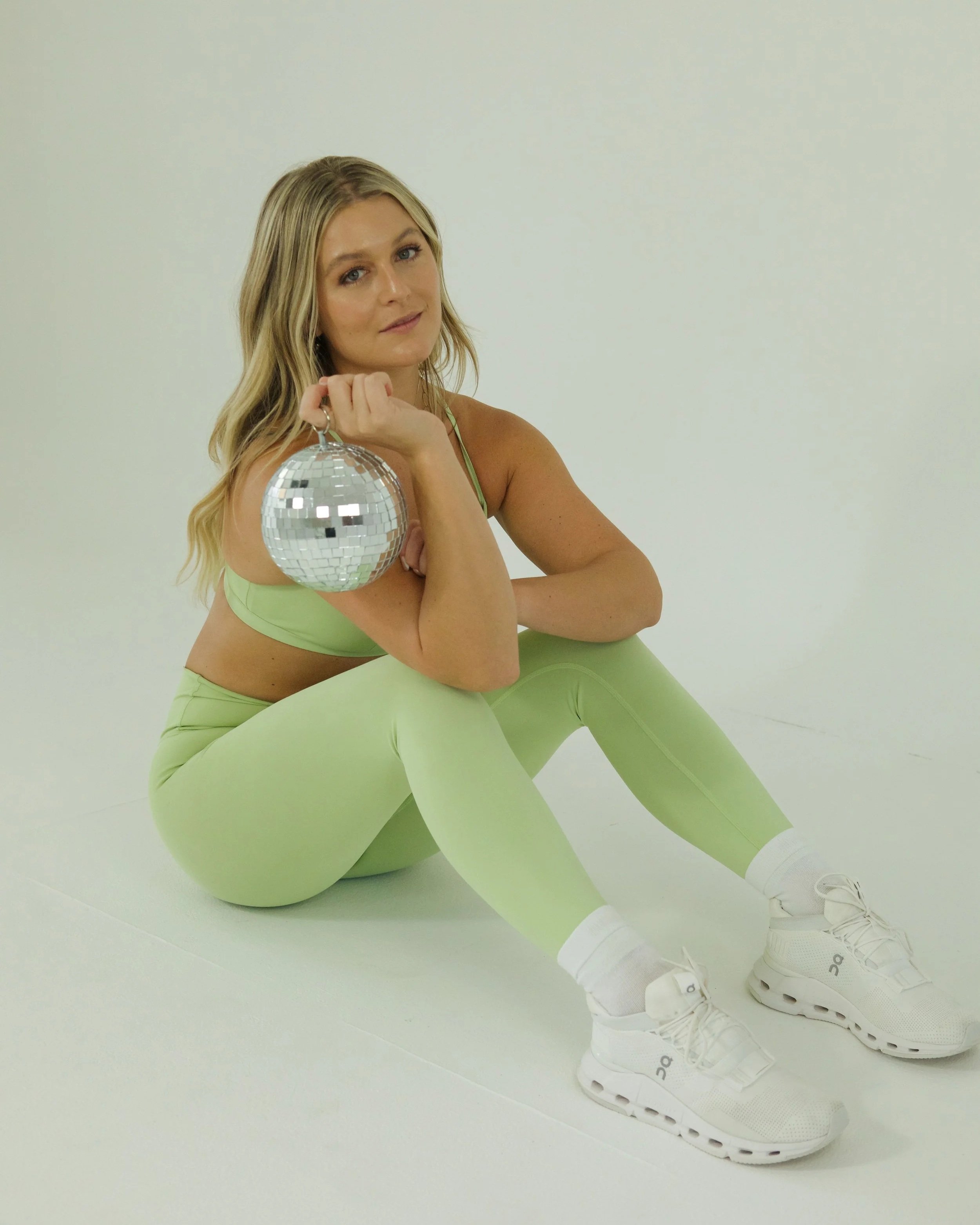
Step 1: Start With Clarity, Not Pressure
Before setting goals, take time to reflect. What do you truly want for your health right now? Maybe it’s more energy, better sleep, or feeling confident in your body again.
Write down what matters most to you, not what social media says you should be doing. Clear goals that align with your values are easier to stick to because they feel personal and meaningful.
Pro tip: Set personal, professional, health and relationship goals for the next 3 months, 6 months, 9 months and 12 months. These can be small goals that you can build on and adjust as the year goes on, but writing them down and setting intentions behind each goal gives you the confidence to start building your routine.
Step 2: Focus on Small, Measurable Changes
Grand resolutions like “I’ll work out every day” or “I’ll cut out sugar completely” often lead to burnout. Instead, aim for smaller goals that build momentum.
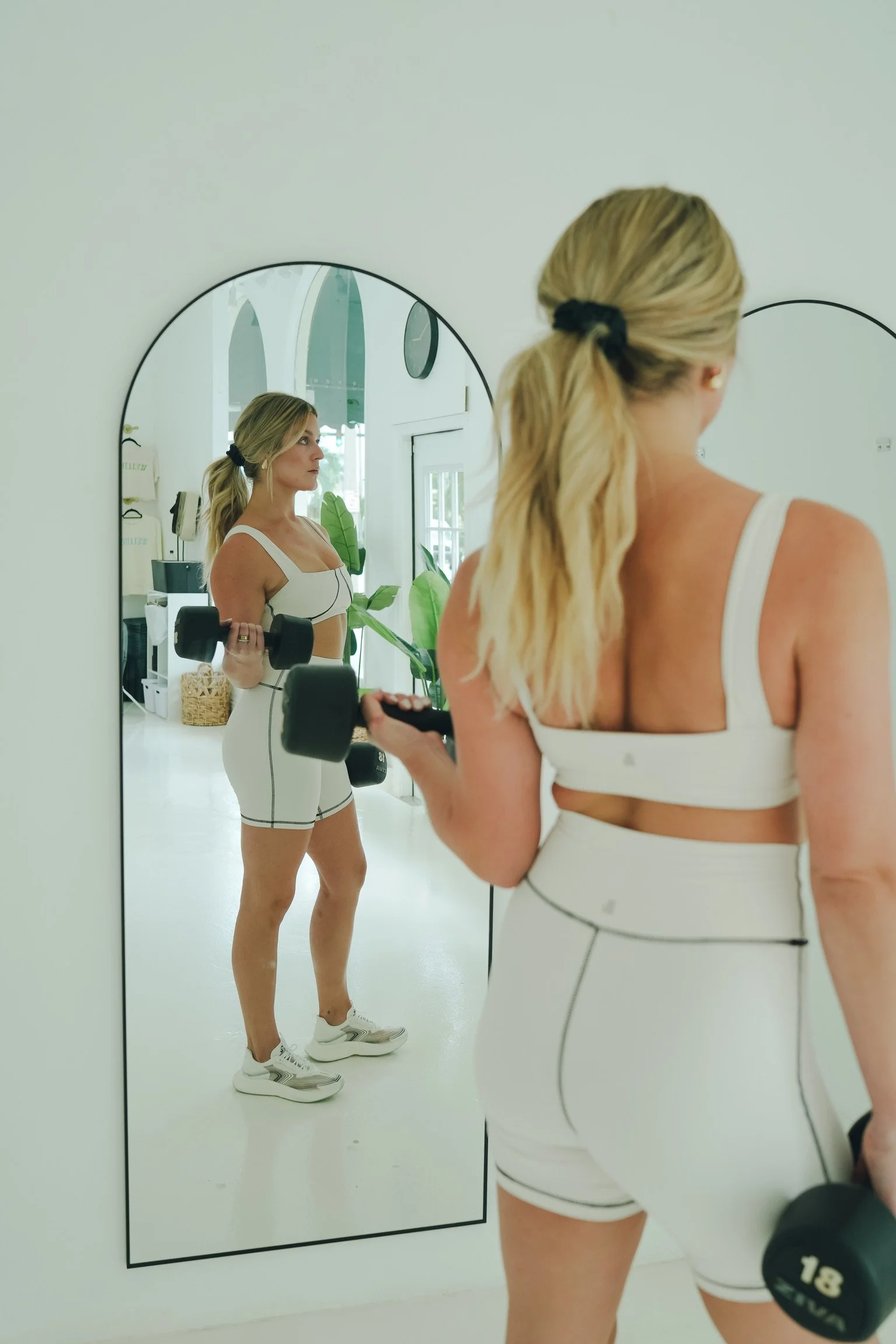
For example:
Move your body for 30 minutes three times a week.
Add a serving of vegetables to your lunch and/or dinner every day.
Try a new recipe every week/month.
Drink 100oz of water every day.
7 hours of sleep every night.
These may sound simple, but consistency adds up over time. Once you build confidence in small wins, you can add new goals layer by layer.
If Food tend to trip you up, I’ve shared a small collection of go-to options in my storefront. It’s a simple list of snacks I regularly recommend for steady energy and fewer crashes, especially when you’re short on time. Think of it as an easy starting point if you want better choices without overthinking it.
Step 3: Create a Routine You Can Actually Maintain
Your schedule should guide your wellness plan, not the other way around. If mornings are hectic, plan your workouts in the afternoon or evening. If cooking every night feels impossible, try meal prepping twice a week instead. Stick to these habits for 30 days before layering in a new habit.
Be honest about what fits your real life. A realistic routine you can follow most days is far more effective than a perfect plan that burns you out by February.
If you’ve ever tried to “do everything right” and still felt stuck, some common nutrition advice may actually be working against you. I break this down more in a previous post on nutrition tips that sabotage your progress, including why quick fixes often lead to burnout instead of results. It’s a helpful read if you’re aiming for consistency, not perfection.
Step 4: Track Progress Without Obsessing

Keeping track of your progress helps you stay motivated, but it’s not just about numbers. Track how you feel, including your mood, energy levels, sleep quality, and stress.
You can use a journal, a simple app, or even notes on your phone. The key is to notice patterns. If you’re sleeping better, craving less junk, or feeling calmer, those are real signs of success.
Pro tip: Use photos to track your progress and save them in a separate folder on your phone.
Step 5: Give Yourself Grace and Flexibility
Life happens. You might miss a few workouts or have a week where your nutrition isn’t ideal. That doesn’t mean you’ve failed. Progress isn’t about perfection; it’s about getting back on track quicker each time and finding the appropriate balance that fits your lifestyle.
Instead of an all-or-nothing mindset, shift to “something is better than nothing.” A short walk or a balanced breakfast with proper nutrients still counts as progress.
Setting realistic health and fitness goals is about creating habits that work for you, not against you. When you focus on consistency, flexibility, and balance, you’ll see lasting results that don’t rely on motivation alone.
This new year, commit to progress over perfection. Start small, stay mindful, and celebrate every step forward. Your 2026 glow up will thank you.
Frequently Asked Questions:
1. How many goals should I set at once?
Start with one to three goals at most. Focusing on fewer goals helps you stay consistent and prevents overwhelm. Stick to each goal consistently for 30 days before adding in a new goal.
2. What if I lose motivation halfway through the year?
Revisit your “why.” Sometimes you just need a reminder of what you’re working toward. Also, adjust your plan instead of quitting altogether.
3. How can I track my progress without being too rigid?
Use a flexible system like journaling or weekly check-ins. Note how your energy and mindset improve, not just your weight or measurements.
4. Is it okay to take breaks from workouts?
Absolutely. Rest is part of progress. Taking short breaks helps your body recover and prevents burnout.
5. How can I make sure I actually stick to my goals this time?
Keep your goals specific, realistic, and tied to your daily habits. Build accountability by sharing them with a friend or tracking them in a structured guide. Break your goals up into 90 day increments, checking in on your progress every 30-90 days can lead to a better understanding of your progress!
If you’re ready to make your 2026 wellness goals actually stick, head over to Substack to check out THE WELLTHY 10 DAY ADDED SUGAR RESET.