
The Myth of “More is Better”: Why Smart Training Wins for Busy Women
If you scroll social media long enough, you’ll start to believe that fitness is about doing more. More days. More sweat. More classes. More motivation. More hustle.
But if you’re a high-achieving woman with a career, a family, or just a full plate, you already know something is off with that formula.
Because the more you try to force it, the more your body pushes back with fatigue, stalled progress, irritability, sleep issues, and inconsistent results.
Here’s the truth: your problem isn’t that you need more workouts, it’s that the workouts you’re doing aren’t built for the life you’re living.
Most women don’t need more sweat.
They need structure, strength, recovery, and consistency.
That’s where everything changes.
The “Do More” Fitness Myth
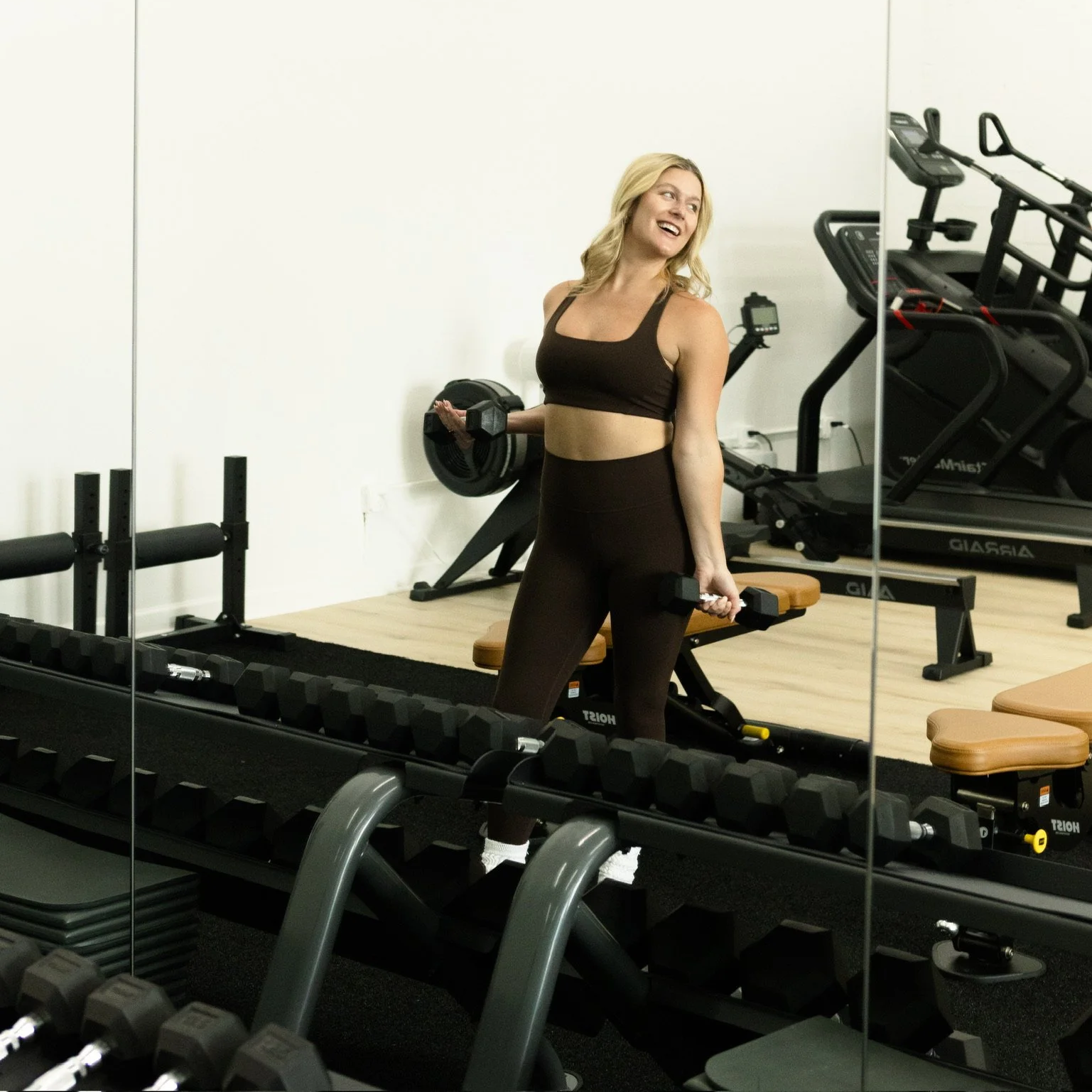
Many women have been conditioned to believe that fitness success means doing more:
more classes
more cardio
more days in the gym
more sweating
more pushing through exhaustion
The logic seems reasonable: if a little works, a lot must work better.
But the female body doesn’t operate on that linear equation. Especially not for women juggling stress, deadlines, parenting, hormonal cycles, and life.
When stress is already high, adding more intensity can backfire. The body shifts toward survival instead of adaptation, and progress stalls even though effort increases.
This leads to the most common workout frustration women experience:
“I’m working so hard, but my results aren’t changing.”
It’s not laziness. It’s physiology.
The Burnout Loop for High-Achieving Women
When training is built around intensity and volume instead of structure and recovery, the result is predictable:
✔ chronic fatigue
✔ inflammation
✔ slower recovery
✔ mood swings
✔ increased cravings
✔ inconsistent schedules
✔ “falling off and restarting” cycles
Women don’t stop because they’re unmotivated.
They stopped because the plan was unsustainable.
And nothing kills results faster than a cycle of all-or-nothing effort followed by long breaks.
Why Strength Training Is the Efficiency Solution
This is where strength training changes everything.
Instead of trying to burn calories through endless movement, strength training builds lean muscle — the tissue that boosts metabolism, improves insulin sensitivity, and increases longevity.
A smart strength program focuses on:
✔ Compound lifts
Movements that train multiple muscle groups at once (squats, deadlifts, rows, presses). = more impact in less time
✔ Progressive overload
Small strategic increases in weight, reps, tempo, or volume over time = predictable strength gains
✔ Intentional programming
Designed to match stress, recovery, and goals
Instead of chasing exhaustion, strength training teaches the body how to adapt up which is where real results happen.
Better Results in Less Time
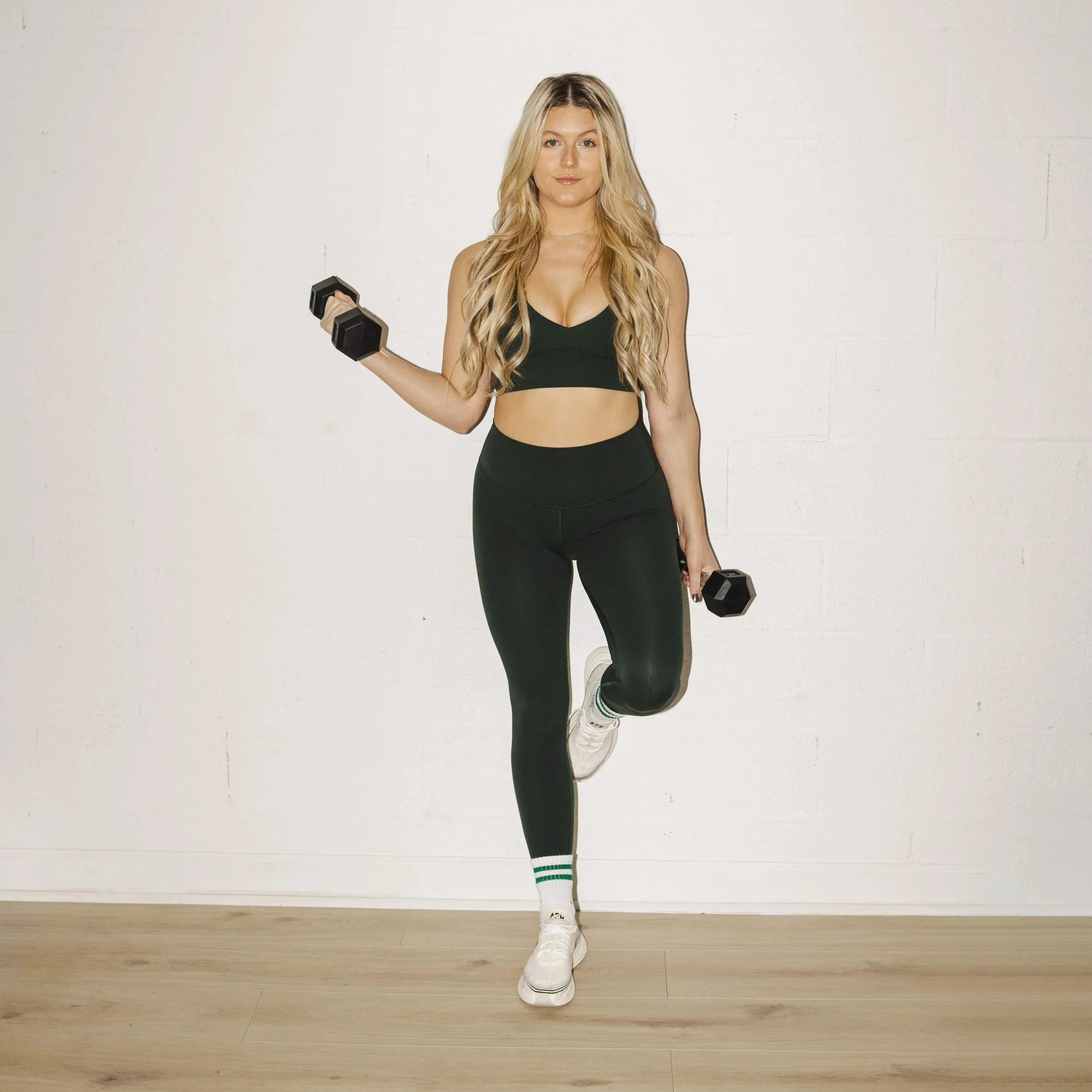
This is the part high-achieving women love: strength training collapses time.
You don’t need:
✘ 6 days per week
✘ 90-minute classes
✘ constant motivation
✘ being sore every day
Most women can see better strength, tone, energy, and metabolic improvements with:
2–4 strength workouts per week at 30–45 minutes each
Most women don’t need complicated setups or expensive equipment to train this way. A few versatile tools can support efficient strength sessions at home, in the gym, or when time is tight. I’ve shared the simple equipment I personally recommend in my Amazon storefront. These are practical basics like dumbbells, resistance bands and supportive accessories that make short, structured workouts easier to stick with, without overdoing it or overbuying.
Because you're training smarter, not longer.
This opens the door to actual consistency which is the real multiplier in fitness.
Consistency + Quality = The Real Luxury
If there’s one thing busy women are craving, it’s efficiency without burnout.
The real flex isn’t doing the most.
It’s being able to:
✔ train consistently
✔ recover well
✔ feel strong in real life
✔ have energy for work, family, travel, and play
✔ keep training through different seasons of life
Anyone can go “all in” for 8 weeks.
The win is building a lifestyle you don’t need to recover from.
One of the biggest reasons women abandon good training plans is because they’re measuring progress the wrong way. When the scale doesn’t move, it’s easy to assume nothing is working, even when strength, energy, and body composition are improving.
I wrote a deeper piece on this called “The Scale Is Lying to You”, where I break down why weight alone is a poor marker of progress and what actually changes first when you train smarter. If you’ve ever felt frustrated by doing everything “right” while the number stays the same, that post will help reframe what progress really looks like.
Reframing What “Fit” Looks Like for Busy Women

Fitness culture often paints the image of a fit woman as someone who:
lives at the gym
eats perfectly
never misses a workout
thrives on intensity
But in reality, for most women?
Fitness looks like:
fitting a session between meetings
training while managing stress
picking better exercises over longer sessions
honoring recovery and sleep
adjusting during PMS weeks
working with hormones, not against them
It’s not about perfection, it’s about sustainability.
Frequently Asked Questions (FAQ)
Q: Will strength training make me bulky?
No. Women don’t have the hormonal environment to add muscle mass rapidly. Most women end up leaner, more defined, and more proportional.
Q: How many days per week do I actually need?
For most women: 2–4 days of strength training is enough to see great results.
Q: Should I stop doing cardio?
Not at all, cardio is great for heart health. It just shouldn’t replace strength training.
Q: What if I struggle to be consistent?
Shorter, structured sessions are easier to maintain than long, high-intensity blocks. Consistency beats intensity almost every time.
Q: What’s the best time of day to train?
The time you can do consistently. Morning, lunch break, early evening — what matters is repeatability.
Get The WELLTHY Minimalist Training Playbook inside Substack, designed to help you get real results with just three workouts per week. It walks you through how to structure strength training when time is limited, energy fluctuates and consistency matters more than doing the most.