
The Ultimate Spring Reset: Strength Training, Protein & Hormone Balance
Spring always feels like a fresh start.
But instead of another detox, juice cleanse, or “shred in 30 days” plan… what if this reset actually supported your metabolism, your hormones, and your real life?
If you’ve been feeling tired, puffy, stuck in your workouts, or frustrated that what used to work doesn’t anymore, this is for you.
This spring, we’re focusing on three things:
Strength training
Adequate protein
Hormone support through smart lifestyle shifts
No extremes. No crash plans. Just systems that work.
Strength Training: Your Metabolism’s Best Friend

We’ve been taught that burning more calories = better for you.
What do we actually need? Build more muscle.
Muscle is metabolically active tissue. It improves insulin sensitivity, supports stable blood sugar, and helps regulate hormones like cortisol and estrogen.
When you strength train consistently, you:
Improve body composition - even if the scale doesn’t move much
Reduce stress on your joints
Support bone density
Increase metabolic flexibility
Feel more confident and capable
If your “reset” only includes more cardio and less food, you’re likely increasing stress on your system.
Instead, aim for:
3–4 strength sessions per week
Progressive overload - slightly increasing weight over time
Full-body or upper/lower splits
30–45 minutes per session
This doesn’t need to be complicated. The WELLTHY method focuses on simple, repeatable strength blocks you can sustain.
Spring reset rule: build, don’t punish.
Protein: The Missing Link
If there’s one shift that changes everything, it’s protein.
Many women under-eat protein, especially at breakfast and lunch. That leads to:
Energy crashes
Afternoon cravings
Poor muscle recovery
Blood sugar spikes
Hormonal stress
Protein supports:
Lean muscle growth
Stable glucose levels
Satiety
Thyroid function
Hair, skin, and nail health
A good starting range for active women is around 0.7–1g of protein per pound of bodyweight, adjusted based on goals and training intensity.
Simple ways to increase intake:
Aim for 30g protein at breakfast (eggs, Greek yogurt, protein smoothie)
Build meals around protein first, then carbs and fats
Keep high-protein snacks ready (cottage cheese, protein bars, turkey roll-ups)
Don’t rely on salads without a real protein source
Instead of asking “How do I eat less?” start asking:
“How do I nourish myself?”
That shift alone changes everything.
If you want a deeper breakdown of how protein and fiber directly impact blood sugar, fat loss, and hormone balance, I cover it in Protein, Fiber & Blood Sugar: The Non-Negotiables for Women Who Want Results. It walks you through what balanced meals actually look like and why this piece changes everything.
Hormone Balance: It’s About Stability, Not Perfection

Hormones don’t need to be “fixed.” They need support.
Chronic stress, under-eating, poor sleep, and excessive cardio are some of the biggest disruptors of hormone balance.
A true spring reset includes:
Blood Sugar Stability
Eat within 1–2 hours of waking
Pair carbs with protein and fats
Avoid skipping meals
Stress Regulation
Lift weights instead of overdoing HIIT - HIIT is a great addition, but not the main source
Get morning sunlight
Take 10-minute walks after meals
Limit caffeine on an empty stomach
Sleep Support
7–9 hours nightly
Reduce screen exposure at night
Eat enough during the day so you’re not wired at bedtime
When blood sugar stabilizes and muscle mass increases, many women notice improvements in:
PMS symptoms
Bloating
Mood swings
Energy dips
Stubborn fat storage
It’s not magic. It’s physiology.
What a Realistic Spring Reset Week Looks Like
Monday – Full body strength + protein-forward meals
Tuesday – 8–10k steps + balanced meals
Wednesday – Upper body strength
Thursday – Light movement + recovery
Friday – Lower body strength
Weekend – Long walk, mobility, prep protein options for the week
No detox teas. No two-hour workouts. No cutting carbs.
Just consistency.
You don’t need a full gym or complicated machines to follow this reset. If you want to keep it simple, I’ve linked the exact strength tools I recommend and personally use inside my curated storefront.
Why This Works
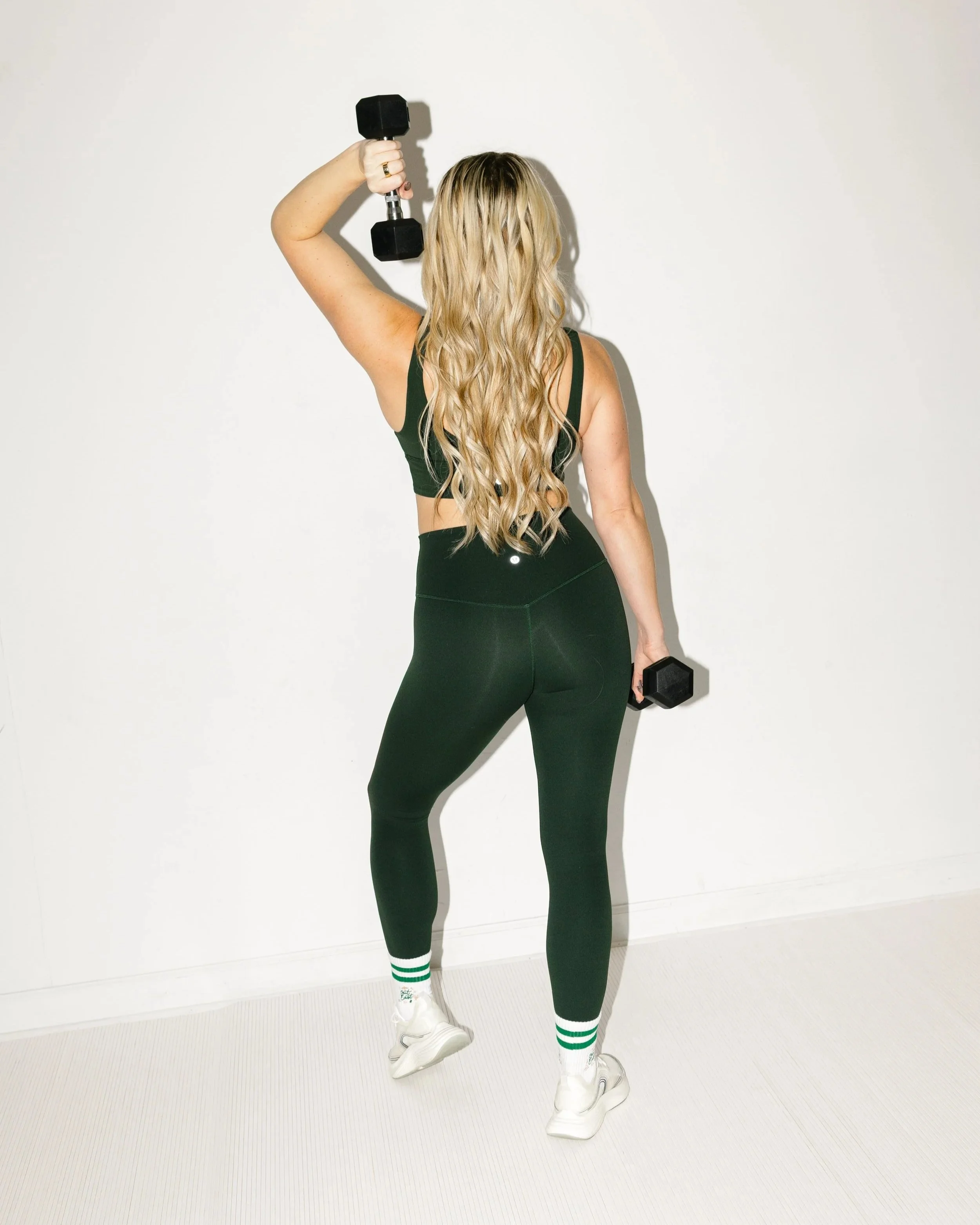
The WELLTHY approach isn’t about doing more. It’s about doing what matters.
When women focus on:
Strength
Sufficient protein
Blood sugar stability
Recovery
They often see:
Better body composition
Less inflammation
Improved confidence
More predictable energy
Sustainable fat loss
Spring isn’t about shrinking
It’s about rebuilding.
Frequently Asked Questions (FAQs):
1. How long does it take to see results from strength training?
Most women start feeling stronger within 2–3 weeks. Visible body composition changes typically show up around 4–8 weeks with consistent training and adequate protein intake.
The biggest early win? Better energy and improved recovery.
2. Will strength training make me bulky?
No. Building significant muscle takes years of intentional training and a calorie surplus.
Strength training helps most women look leaner and more toned because it improves body composition, not because it adds excessive size.
3. How much protein should women eat for hormone balance?
While individual needs vary, many active women benefit from roughly 0.7–1 gram of protein per pound of bodyweight per day.
Under-eating protein can contribute to blood sugar swings, cravings, fatigue, and poor muscle recovery. Balanced protein intake supports stable energy and metabolic health.
4. Can I do this reset if I’m post menopausal or postpartum?
Absolutely. In fact, strength training and adequate protein become even more important as estrogen levels fluctuate.
Muscle mass naturally declines with age, and resistance training is one of the most effective ways to support metabolism, bone density, and insulin sensitivity.
5. Do I need to cut carbs during a spring reset?
No. Carbohydrates are not the problem.
The goal is balanced meals that combine protein, carbs, and healthy fats to support stable blood sugar and hormone health. Extreme carb restriction often increases stress on the body.
Get The WELLTHY 4-Week Spring Reset Guide inside Substack, created to help you reset your body and habits in a way that actually sticks. This isn’t another extreme plan or quick fix. It’s a simple, structured 4-week framework designed to help you rebuild consistency with your training, protein intake, daily movement, sleep, and recovery.