
Why Cardio Alone Isn’t Working
If you’ve been doing endless cardio workouts but still feel stuck with your fitness progress, you’re not alone.
Many people spend hours on the treadmill, elliptical, or running outside hoping it will help them lose body fat and get toned. Yet the results often don’t match the effort.
You might notice:
Weight loss that eventually plateaus
Muscle tone that never appears
Constant fatigue from workouts
Feeling “smaller” but not stronger
The truth is cardio alone isn’t enough to create the strong, lean body most of us want.
What Cardio Actually Does
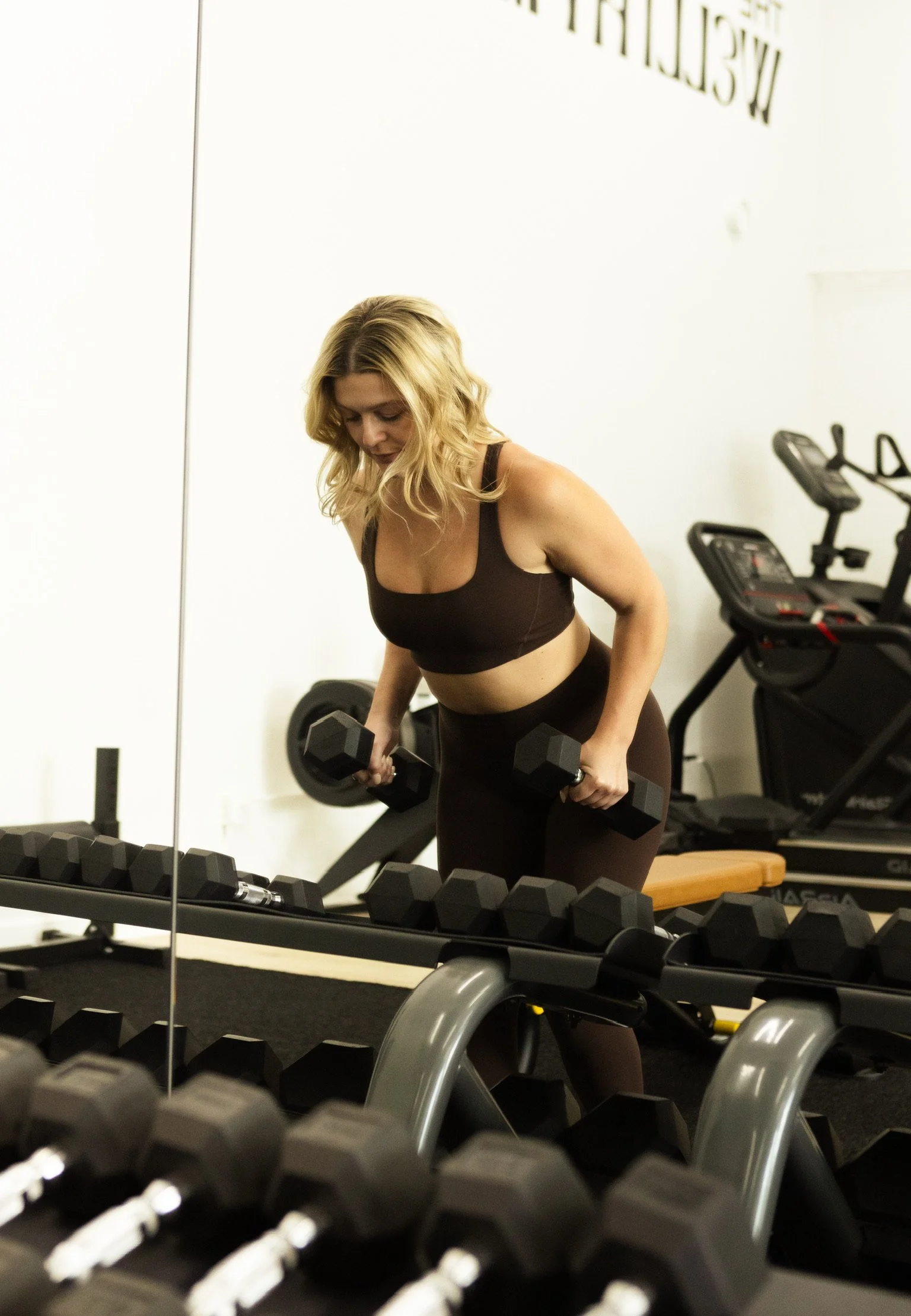
Cardio exercises like running, cycling, and walking improve cardiovascular health.
It helps major important things like:
Strengthen the heart
Improve endurance
Burn calories during activity
Reduce stress
Support overall health
Cardio absolutely has benefits, but cardio alone doesn’t build the kind of muscle that creates definition and long-term metabolic strength.
This is where you start to feel stuck.
The Biggest Problem With Cardio-Only Workouts
Cardio primarily burns calories during the workout itself. Once the workout is over, the calorie burn drops.
Strength training, on the other hand, builds lean muscle tissue. Muscle is metabolically active, which means it helps your body burn more energy throughout the day, even at rest.
Without strength training, your body has fewer reasons to maintain muscle while losing weight.
This can lead to the common “skinny but soft” look after long cardio-focused routines.
Why Muscle Matters for Fat Loss
Lean muscle plays a major role in body composition.
The more muscle you maintain, the more efficiently your body uses energy.
Muscle helps:
Increase resting metabolic rate
Improve insulin sensitivity
Support stronger bones
Create visible muscle definition
Improve posture and stability
When you focus only on cardio, they often miss the key ingredient that actually shapes the body.
Why Cardio Plateaus Happen
Another common issue is adaptation.
Your body becomes efficient at repetitive cardio workouts.
For example, if you run three miles every day, your body gradually learns how to perform that activity using less energy.
This means:
Fewer calories burned
Slower progress over time
Increased frustration
Strength training constantly challenges muscles in new ways, preventing that plateau.
Strength Training Changes Everything
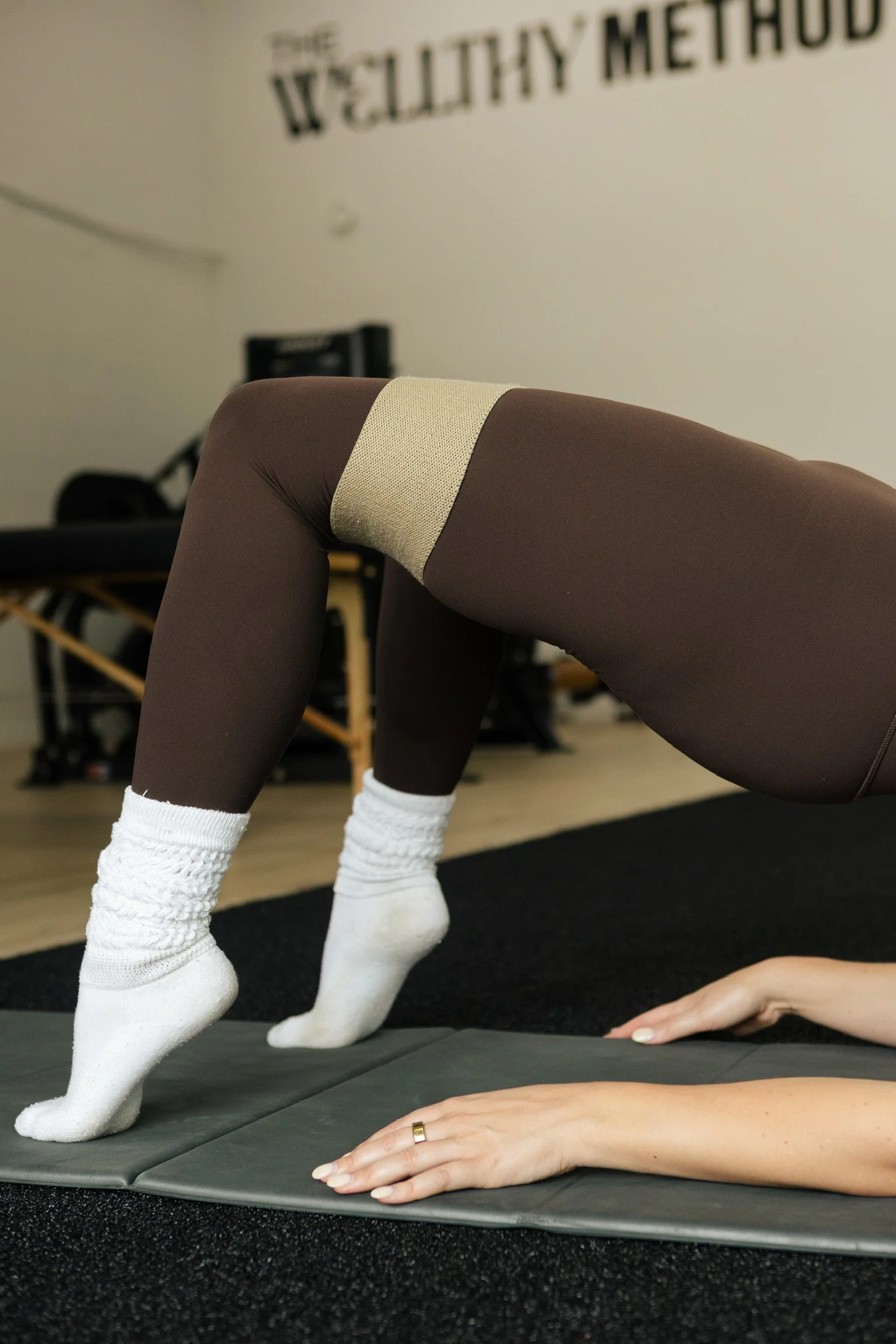
When you add resistance training to your routine, your body begins to change in several ways.
Strength training:
Builds lean muscle
Improves metabolic efficiency
Increases strength and stability
Supports fat loss without losing muscle
Instead of chasing calorie burn, you begin building a stronger foundation for long-term results.
This is why many women see more noticeable changes when they shift from cardio-only workouts to balanced training programs.
Trying to lose body fat without looking “skinny soft”? One of the biggest mistakes people make is losing muscle during the process.
Read next: How to Lose Body Fat Without Losing Muscle
The Ideal Workout Balance
A balanced fitness routine includes both strength and cardio.
Here’s a simple weekly structure that works well:
3–4 strength workouts per week
Focus on compound movements such as:
Squats
Deadlifts
Rows
Presses
1–2 cardio sessions per week
Focus on cardio such as:
Walking
Cycling
Interval training
Daily movement
Try to reach 7,000–10,000 steps per day for general activity and metabolic health.
This balance supports muscle growth, cardiovascular fitness, and sustainable fat loss.
Nutrition Matters!

Even the best workout plan can fall short if nutrition isn’t supporting your goals.
To maintain lean muscle while losing fat, focus on:
Adequate protein → supports muscle repair, recovery, & satiety
0.8–1 gram of protein per pound of body weight per day
Balanced meals → helps maintain energy and stable blood sugar levels.
Protein
Fiber-rich vegetables
Healthy fats
Quality carbohydrates
These are some of my favorite wellness and fitness products that help support workouts, recovery and healthy habits.
Signs It’s Time to Add Strength Training
If you’re unsure whether cardio-only workouts are holding you back, watch for these signs:
Weight loss plateau
Lack of muscle tone
Frequent fatigue
Persistent lower back or joint discomfort
Difficulty increasing workout intensity
These are signals that your body may benefit from resistance training.
Frequently Asked Questions (FAQS):
1. Is cardio bad for fat loss?
No. Cardio supports calorie burn and heart health, but it works best when combined with strength training.
2. How often should you do strength training?
Most men and women benefit from 3–4 strength workouts per week.
3. Can I still run if my goal is muscle tone?
Yes. Running can be part of a balanced routine, but it shouldn’t replace strength training entirely.
4. Will strength training make me bulky?
No. Women typically don’t produce enough testosterone to build large amounts of muscle without very specific training and nutrition strategies.
5. How long does it take to see results from strength training?
Many people notice increased strength within a few weeks and visible muscle definition within 6–8 weeks of consistent training.
Get The WELLTHY Balance Guide for Fat Loss inside Substack, designed to help you find the right balance between strength training, cardio, nutrition and recovery so you can lose body fat without feeling overwhelmed. This guide gives you a simple, sustainable approach to building lean muscle, improving energy and creating results that actually last.