
You’re working out.
Staying consistent.
Trying to eat healthy.
But your body still looks the same.
Your clothes fit the same.
Your strength is not improving.
And the scale may not be moving either.
That can feel frustrating. Especially when you feel like you’re doing everything right. But more exercise does not always lead to better results. Sometimes the problem is not your effort. It is the way your workouts, nutrition and recovery are working together.
Let’s break down why your body may not be changing and what actually helps.
Your Workouts Are Not Challenging You Enough
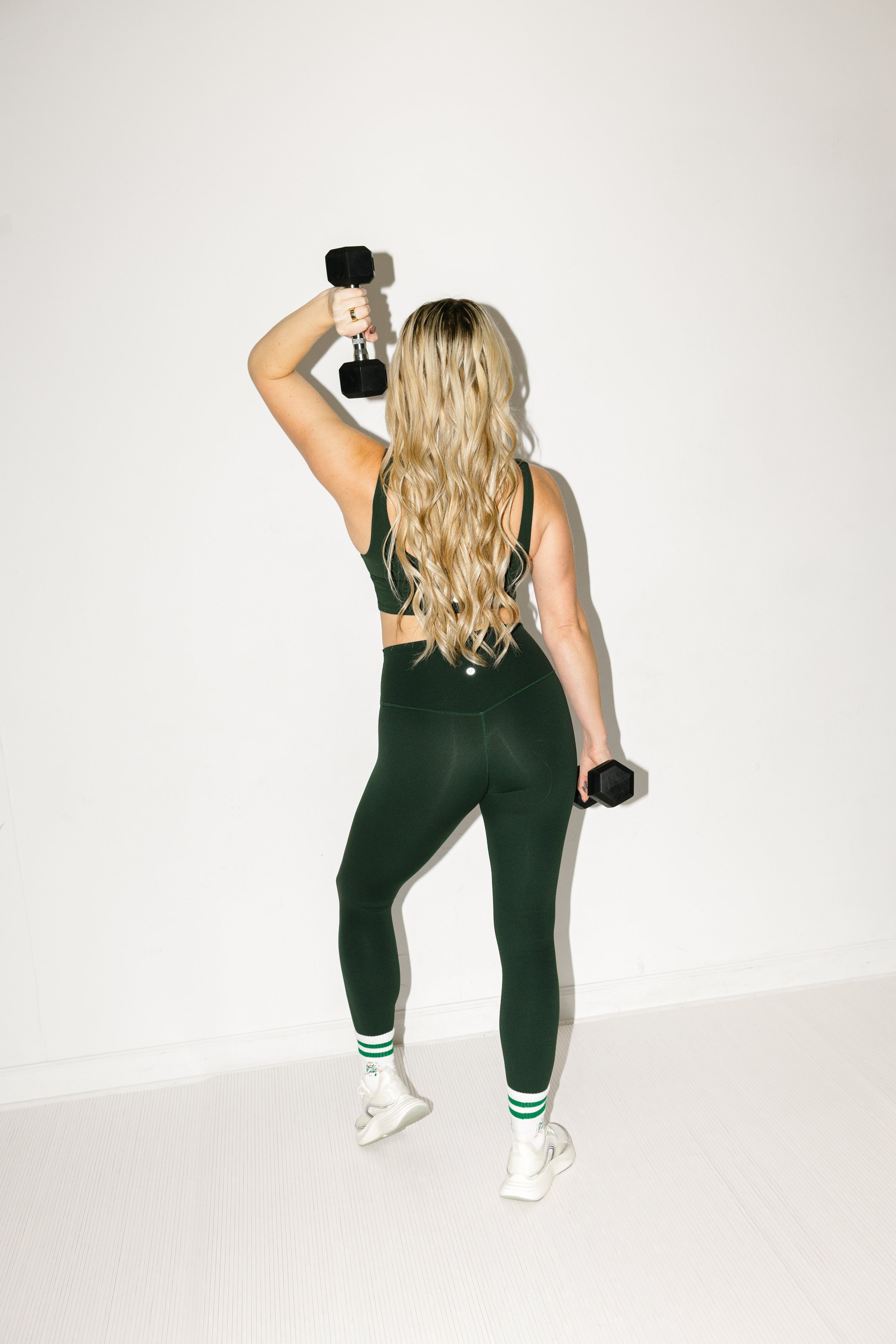
Your body changes when it has a reason to adapt.
That means your muscles need:
Resistance
Tension
Progression
Enough recovery
If you repeat the same workouts every week, your body becomes used to them.
The workout may still feel tiring.
But that does not always mean it is creating enough stimulus for change.
You Need Progressive Overload
Progressive overload means gradually increasing the challenge.
You can do this by:
Lifting heavier weights
Completing more repetitions
Adding another set
Improving your form
Slowing down each repetition
Increasing your range of motion
Reducing unnecessary rest time
You do not need to change your workout every week.
You need to improve within your workout.
Sweating Does Not Equal Progress
A hard, sweaty workout can feel productive.
But sweat is not a measure of muscle growth or fat loss.
You can sweat during:
Walking
Yoga
Cardio
Cleaning
Sitting outside on a hot day
What matters is whether your workouts are helping you become stronger over time.
Track your weights.
Track your repetitions.
Track how your form improves.
That gives you a clearer picture of progress.
You Are Doing Too Much Cardio
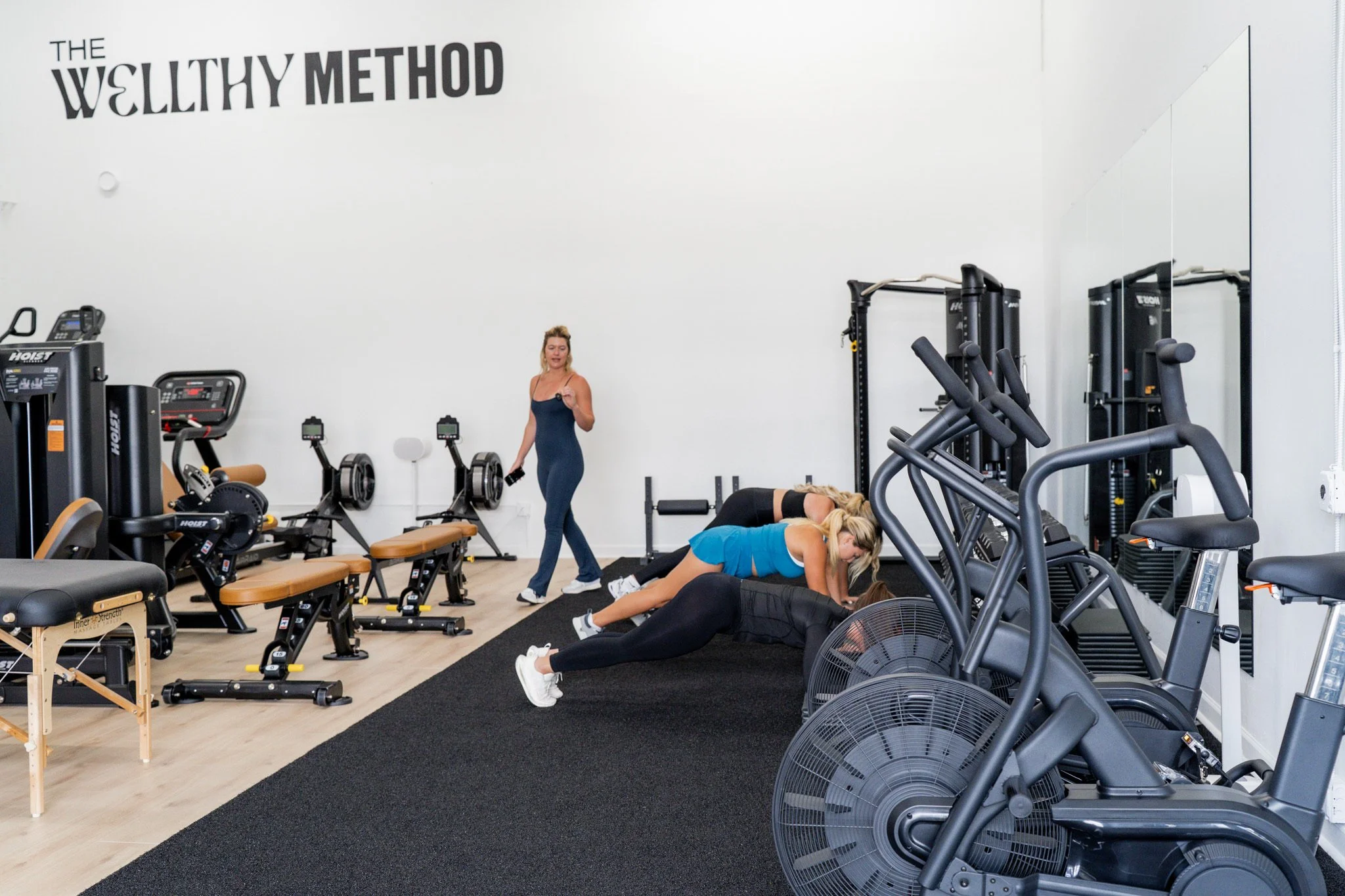
Cardio can support:
Heart health
Endurance
Stress relief
Daily calorie expenditure
Overall fitness
But cardio alone may not reshape your body. If your goal is a stronger, more defined look, you need to build muscle. Too much cardio may also interfere with recovery when combined with:
Low calorie intake
Poor sleep
High stress
Frequent strength training
No rest days
Strength Training Changes Body Composition
Strength training helps:
Build lean muscle
Improve body shape
Increase strength
Support bone health
Improve posture
Support fat loss
Without enough resistance training, you may lose weight but still feel soft or undefined.
Muscle gives your body shape.
You Do Not Need to Stop Cardio
The goal is balance.
A simple routine may include:
Strength training three to four times per week
Walking most days
One or two moderate cardio sessions
At least one full rest day
Cardio should support your training. Not leave you too exhausted to recover from it.
Choose equipment based on your current fitness level, available space and training goals. Start with the basics, focus on proper form and gradually increase the resistance as your strength improves.
Check our Storefront and build a workout setup that helps you train consistently at home.
You Are Not Eating Enough to Support Results

Many women respond to slow progress by eating less.
But eating too little can make it harder to:
Train with intensity
Recover between sessions
Build muscle
Maintain energy
Sleep well
Stay consistent
Your body needs fuel to change. If you are constantly tired, weak or hungry, your nutrition may not be supporting your workouts.
Protein Matters
Protein helps repair and build muscle.
Good sources include:
Chicken
Turkey
Eggs
Lean beef
Fish
Greek yogurt
Cottage cheese
Tofu
Beans
Lentils
Protein powder
Try to include protein at every meal. A simple target may be 25 to 40 grams in each main meal, depending on your body size and goals.
Carbohydrates Fuel Your Workouts
Carbohydrates provide energy for training.
Without enough carbohydrates, you may notice:
Weak workouts
Lower endurance
Poor recovery
More cravings
Low energy
Difficulty increasing your weights
Good carbohydrate sources include:
Rice
Potatoes
Oats
Fruit
Pasta
Bread
Beans
Quinoa
You do not have to cut carbohydrates to lose fat. You need balanced portions and enough total fuel.
Healthy Fats Support Your Body
Healthy fats support:
Hormone production
Nutrient absorption
Brain health
Satisfaction after meals
Sources include:
Avocado
Olive oil
Nuts
Seeds
Eggs
Salmon
Nut butter
A balanced diet includes all three macronutrients.
Protein.
Carbohydrates.
Healthy fats.
You Are Not Recovering Enough
Your body does not change during the workout. It changes when it recovers from the workout. Training creates stress. Recovery allows your muscles to repair and grow stronger.
If you train hard without enough recovery, progress may slow down.
Signs of poor recovery include:
Constant soreness
Low motivation
Declining strength
Trouble sleeping
Irritability
Low energy
Frequent injuries
Feeling exhausted before training
Rest Days Matter
Rest days do not make you lazy. They are part of the program.
Use recovery days for:
Walking
Stretching
Mobility
Light activity
Complete rest
You do not need to burn a large number of calories every day.
Sleep Supports Results
Aim for seven to nine hours of sleep when possible.
Sleep helps support:
Muscle repair
Energy
Hunger regulation
Mood
Workout performance
Stress management
If your workouts are consistent but your sleep is poor, your progress may be slower.
Stress Affects Recovery
Your body responds to all stress.
Not just exercise.
Work stress, emotional stress, poor sleep and underfueling all add to your total load.
Sometimes the answer is not another workout.
It is more recovery.
You Are Changing Your Routine Too Often
You do not need a new workout every week. Constantly changing your routine can make it difficult to track progress.
Your muscles need time to:
Learn the movements
Improve technique
Build strength
Adapt to resistance
A good training program should be followed long enough to measure improvement. For many women, that may mean staying with the same basic program for six to twelve weeks. You can adjust weights and repetitions without replacing every exercise.
For a closer look at how these habits can fit into your day, read The Daily Routine of a WELLTHY Woman: Habits That Support Fat Loss, Energy & Focus.
Stop Chasing Random Workouts
Random workouts may be entertaining. But they are difficult to measure.
One day you may complete a glute workout.
The next day, a full-body circuit. Then a cardio challenge. Then a different influencer’s routine. There is no clear progression.
A structured program gives you:
A training schedule
Consistent exercises
Clear goals
Planned progression
Better tracking
Consistency is not just showing up.
It is following a plan long enough for it to work.
A Simple Weekly Plan
Here is what a balanced week may look like:
Monday: Lower-body strength
Tuesday: Upper-body strength
Wednesday: Walking and recovery
Thursday: Lower-body strength
Friday: Upper-body strength and core
Saturday: Walking or moderate cardio
Sunday: Complete rest
You do not need to train seven days per week.
You need enough quality training and enough recovery.
Conclusion
If your workouts are not changing your body, it does not mean you are failing.
It may mean your routine is missing one or more important pieces.
Real body change requires:
Progressive strength training
Enough protein
Adequate carbohydrates
Balanced nutrition
Quality sleep
Recovery
Patience
Consistency
Stop judging your progress only by how tired you feel after a workout.
Instead, ask:
Am I getting stronger?
Am I lifting more?
Is my form improving?
Am I recovering well?
Am I eating enough protein?
Am I following a structured plan?
Have I stayed consistent long enough?
Body composition changes take time.
You may notice progress through:
Increased strength
Better posture
Improved energy
More muscle definition
Clothes fitting differently
Better workout performance
Improved confidence
The goal is not to do the most.
The goal is to do what works consistently.
The WELLTHY approach combines strength training, balanced nutrition and realistic habits that help women build lean muscle and create lasting results.
Visitwellthybyerin.com for more resources designed to help you train smarter, fuel your body and build a routine you can maintain.
Frequently Asked Questions
1. How long does it take to see workout results?
Many women begin noticing improvements in strength and energy within a few weeks. Visible body composition changes may take several months. Your timeline depends on your training, nutrition, recovery and starting point.
2. Why am I working out but not losing weight?
Your body weight can be affected by:
Water retention
Hormonal changes
Muscle gain
Digestion
Sodium intake
Stress
You may also be eating more calories than you realize or training without enough structure. Use more than the scale to measure progress.
3. Do I need to work out every day?
No. Most women do not need to train every day to see results. Three to four strength sessions per week, combined with daily movement and proper recovery, can be effective.
4. Can I change my body with light weights?
Light weights can be effective if they challenge your muscles. The final repetitions should feel difficult while your form remains controlled. As you become stronger, you will need to increase the challenge.
5. Should I eat less if my body is not changing?
Not automatically. Eating less may make your workouts weaker and recovery slower. structure, protein intake, portions, sleep, daily movement and consistency. A small calorie deficit may support fat loss, but extreme restriction is not necessary.
Get THE WELLTHY Progressive Overload Guide inside Substack, your practical guide to getting stronger and seeing better results from your workouts. You’ll learn how progressive overload works, when to increase your weights, reps, or intensity, how to track your progress, and how to keep challenging your muscles without sacrificing proper form or risking burnout.