
Strength Training vs HIIT for Women
What Actually Builds Lean Muscle?
You want to look stronger.
More defined.
More toned.
So you start doing harder workouts.
More circuits.
More jumping.
More sweating.
More HIIT.
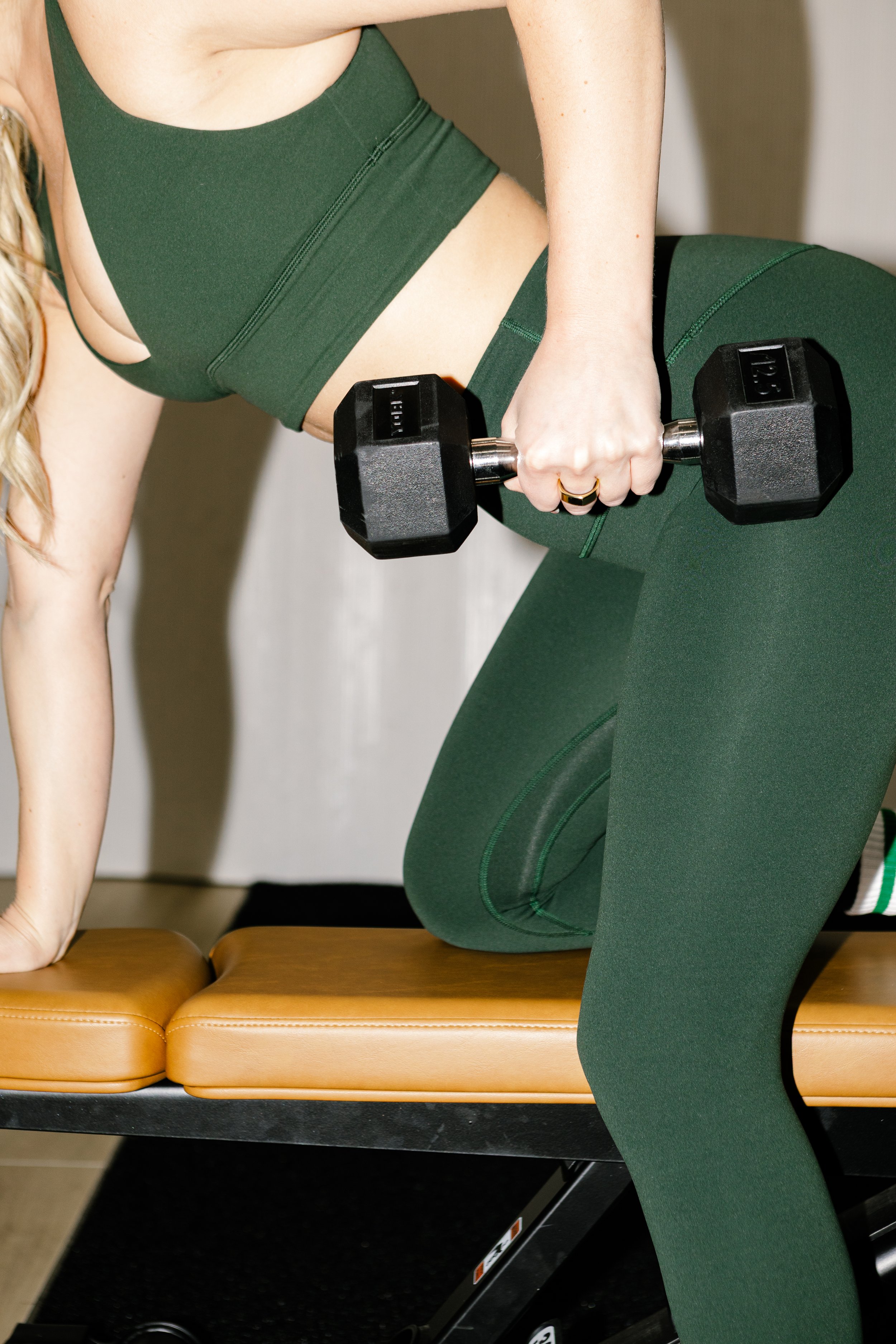
But your body still is not changing the way you expected. You may feel fitter. You may burn a lot of calories. But you are not seeing much muscle definition.
Here is the key:
Keep reading to get THE WELLTHY Beginner’s Guide to Lifting Weights, a simple, step-by-step guide designed to help you feel confident and comfortable with strength training. You’ll learn the basics of choosing the right weights, performing key exercises with proper form, building a beginner-friendly workout routine and progressing safely over time. This guide makes lifting weights feel less intimidating, so you can build strength, support fat loss, improve your metabolism and create a sustainable fitness routine without complicated workouts or spending hours in the gym.
HIIT and strength training are not the same. Both can support your health. But if your goal is to build lean muscle, one should be the foundation of your routine.
Let’s break down the difference.
What Strength Training Actually Does
Strength training challenges your muscles against resistance.
That resistance may come from:
Dumbbells
Barbells
Machines
Resistance bands
Kettlebells
Your own body weight
The goal is to create enough tension for your muscles to adapt. Over time, your body responds by becoming stronger.
This can help:
Build lean muscle
Improve body shape
Increase strength
Support bone health
Improve posture
Support long-term fat loss
Muscle Gives Your Body Shape
Muscle is what creates a firm and defined appearance. Without enough muscle, you may lose weight but still feel soft. Strength training helps build shape in areas like:
Glutes
Legs
Shoulders
Back
Arms
Core
You cannot choose exactly where you lose fat. But you can train specific muscles to improve your overall shape.
Progressive Overload Matters
To keep building muscle, your workouts need to become more challenging over time. This is called progressive overload.
You can progress by:
Lifting heavier weights
Completing more repetitions
Adding another set
Improving your form
Increasing your range of motion
Slowing down each repetition
You do not need a completely new workout every week. You need a plan that allows you to improve.
Whether you need help planning your workouts, increasing your weights safely, improving your nutrition, or staying consistent, you can find a guide that supports your current goals.
Explore our storefront and choose the resource that fits the next step in your fitness journey.
What HIIT Actually Does
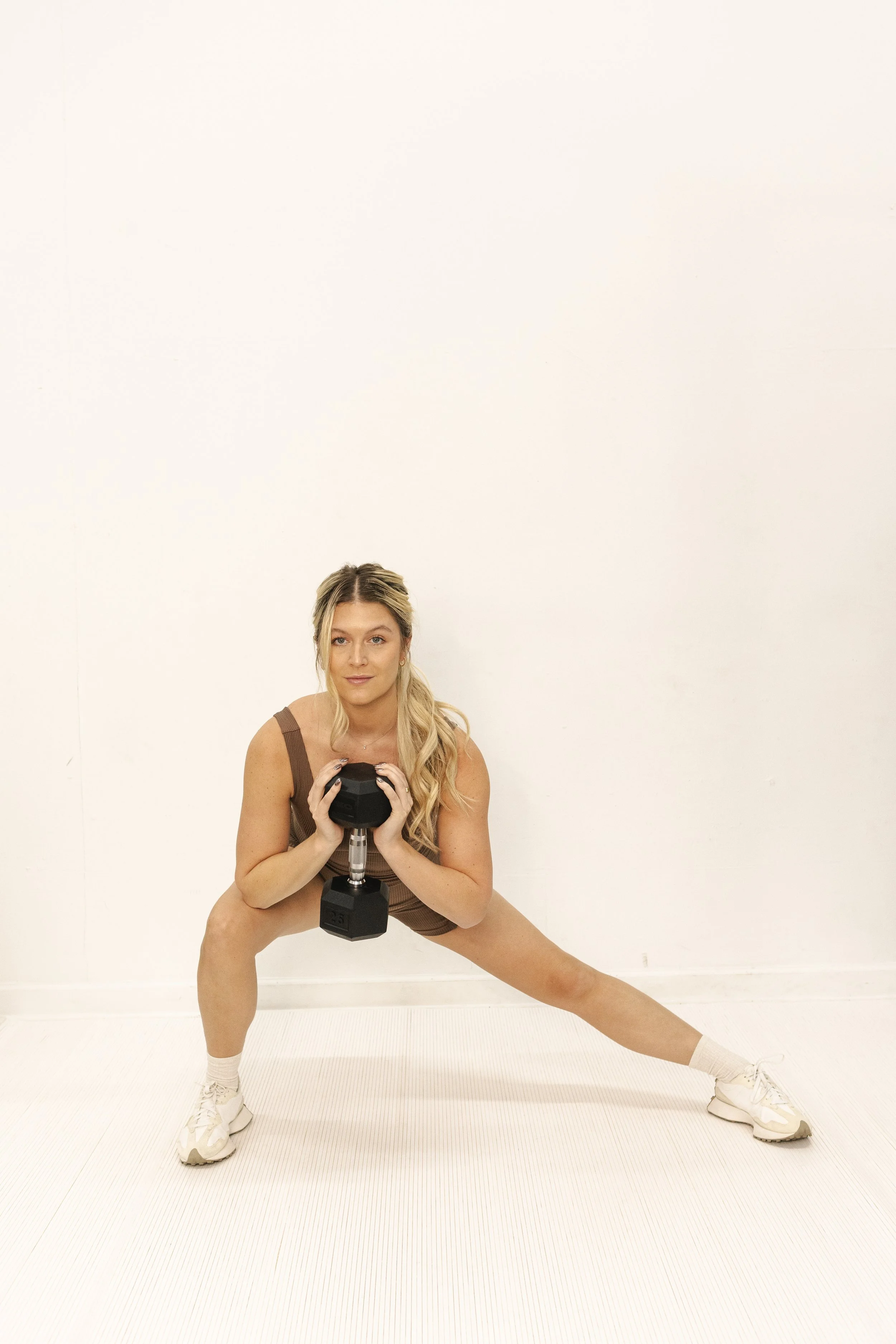
HIIT stands for high-intensity interval training. It usually includes short periods of intense exercise followed by brief recovery periods.
A HIIT workout may include:
Sprints
Burpees
Jump squats
Mountain climbers
High knees
Kettlebell swings
Fast bodyweight circuits
HIIT can help improve:
Cardiovascular fitness
Endurance
Conditioning
Speed
Work capacity
Calorie expenditure
It can also be time-efficient. But it is not the best primary method for building lean muscle.
HIIT Focuses on Intensity
Most HIIT workouts are designed to keep your heart rate high. The goal is often to move quickly. This can make it difficult to use enough resistance or control to create a strong muscle-building stimulus. You may feel exhausted.
You may sweat a lot.
But exhaustion does not automatically mean muscle growth.
HIIT Can Build Some Muscle
Beginners may gain some muscle from HIIT. Certain weighted movements can also challenge the muscles. But eventually, progress may slow.
To continue building lean muscle, you need:
Enough resistance
Controlled repetitions
Progressive overload
Proper rest
Consistent training
Strength training provides these more effectively.
Strength Training vs HIIT for Lean Muscle
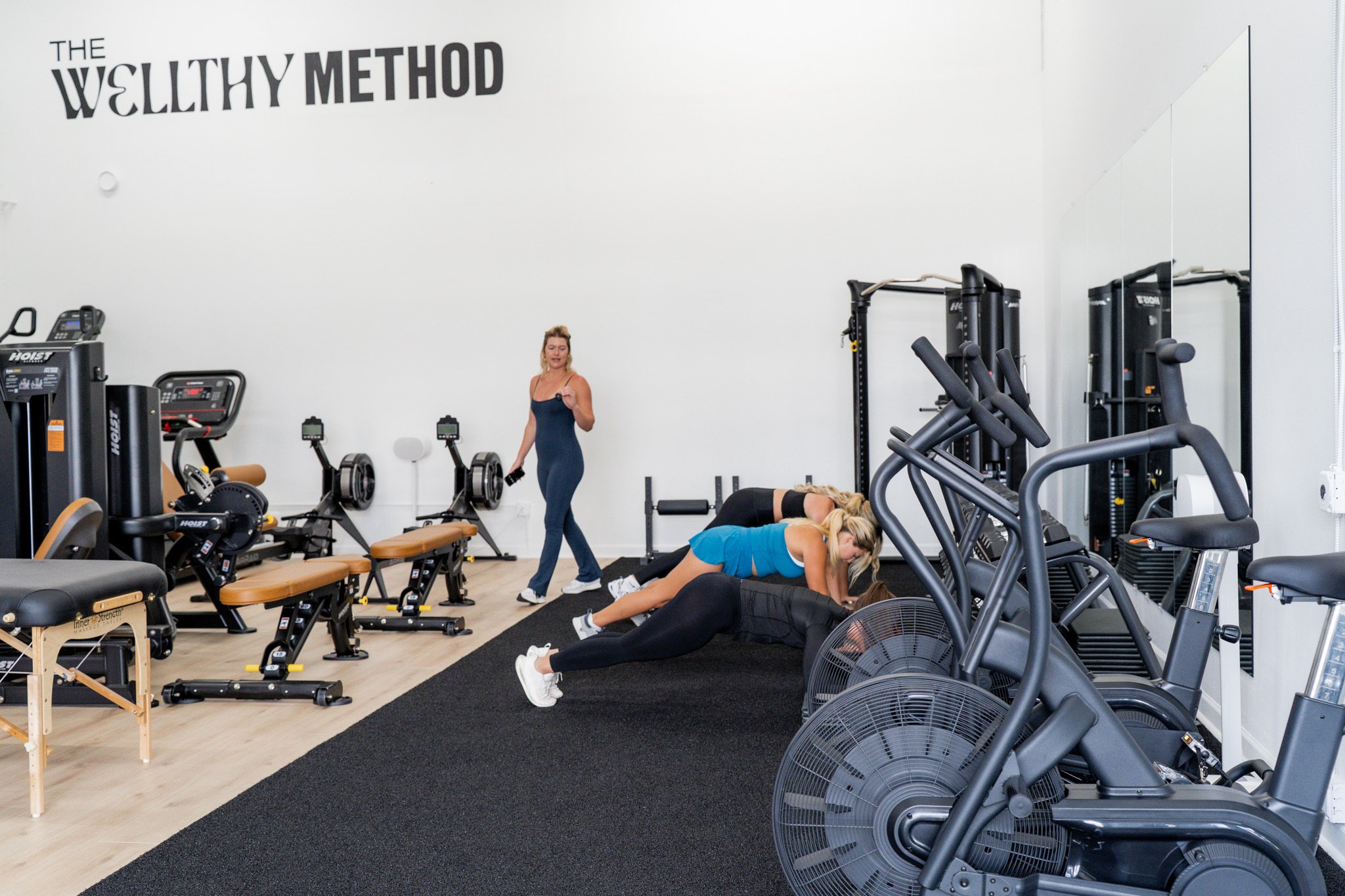
If your main goal is lean muscle, strength training should come first.
Here is the difference:
Strength Training
Focuses on:
Muscle tension
Resistance
Controlled movement
Strength progression
Muscle growth
Best for:
Building lean muscle
Improving body shape
Increasing strength
Supporting body recomposition
HIIT
Focuses on:
Heart rate
Speed
Conditioning
Short bursts of effort
Calorie expenditure
Best for:
Improving cardiovascular fitness
Increasing endurance
Adding variety
Short conditioning sessions
HIIT can support your fitness. But it should not replace structured strength training.
Sweating Is Not the Goal
A workout does not have to leave you dripping in sweat to be effective. Strength workouts often include longer rest periods.
That rest allows you to:
Lift with better form
Use heavier resistance
Complete quality repetitions
Recover between sets
Rest is not wasted time. It helps you perform better.
Why Too Much HIIT Can Slow Your Progress
HIIT is demanding. When used occasionally, it can be helpful.
When done too often, it may interfere with recovery.
This is especially true if you are also:
Eating too little
Strength training several days per week
Sleeping poorly
Under a lot of stress
Skipping rest days
Doing additional cardio
Your body can only recover from so much stress.
Signs You May Be Doing Too Much HIIT
You may notice:
Constant soreness
Low energy
Poor sleep
Reduced strength
Increased hunger
Irritability
Low motivation
Slower recovery
Frequent injuries
Stalled progress
If your lower body is exhausted from HIIT, you may not perform well during your strength sessions. That can make it harder to increase your weight and build muscle.
More Is Not Better
You do not need five HIIT sessions per week. For many women, one or two short sessions are enough. Some women may not need HIIT at all. Walking, strength training and moderate cardio can provide excellent results.
Your routine should match your goals. Not the latest trend.
How to Combine Strength Training and HIIT
You do not have to choose only one. But you should know which one deserves priority.
If lean muscle is your goal:
Strength train three to four times per week.
Walk regularly.
Add zero to two HIIT sessions if you enjoy them.
Take at least one full rest day.
Eat enough protein and carbohydrates.
Prioritize sleep and recovery.
A Simple Weekly Plan
Here is what a balanced week may look like:
Monday: Lower-body strength
Tuesday: Upper-body strength
Wednesday: Walking or recovery
Thursday: Lower-body strength
Friday: Upper-body strength and core
Saturday: Short HIIT session or moderate cardio
Sunday: Complete rest
You can also place HIIT after an upper-body workout. This may help reduce interference with lower-body strength sessions.
Keep HIIT Short
A HIIT session does not need to last 45 minutes. Ten to twenty minutes can be enough.
Focus on quality. Not endless intensity.
Fuel Your Training
To build lean muscle, your body needs enough food.
Focus on:
Protein at every meal
Carbohydrates around workouts
Healthy fats
Fruits and vegetables
Enough total calories
Proper hydration
Training alone does not build muscle. Your body also needs the materials to repair and grow.
As we shared in our previous blog, How to Stay Lean While Traveling (Without Tracking Calories or Restricting), building lean muscle does not mean your routine has to be perfect every day.
Vacations, work trips, and weekends away can still fit into a healthy lifestyle without tracking every calorie or restricting the foods you enjoy. In the blog, you will learn simple ways to stay active, make balanced food choices, manage portions, and enjoy your trip without feeling like you have ruined your progress.
Conclusion: Strength Training Builds the Shape
HIIT can improve your fitness. It can help you feel athletic. And it can be a useful part of your routine. But if your goal is to build lean muscle, strength training should be the foundation.
Strength training gives your muscles a reason to grow. HIIT mainly challenges your cardiovascular system.
The best approach for many women is:
Strength training as the priority
Walking for daily movement
HIIT in small amounts
Balanced nutrition
Proper recovery
Consistent progression
Do not judge a workout only by how much you sweat.
Ask:
Am I getting stronger?
Am I lifting more weight?
Is my form improving?
Are my muscles recovering?
Am I eating enough protein?
Can I maintain this routine?
Lean muscle is built through repetition. Progression. Fuel. And patience.
The WELLTHY approach combines effective strength training, balanced nutrition and sustainable habits that help women create lasting results without spending every day doing exhausting workouts.
Visitwellthybyerin.com for more support with building lean muscle, improving body composition and creating a fitness routine that fits your life.
Frequently Asked Questions
1. Is HIIT or strength training better for fat loss?
Both can support fat loss. Strength training helps preserve or build lean muscle. HIIT can increase calorie expenditure and improve cardiovascular fitness. Fat loss also depends on nutrition, daily movement, sleep and consistency.
2. Can women build muscle with HIIT alone?
Beginners may build some muscle from HIIT. But HIIT usually does not provide enough progressive resistance for continued muscle growth. Structured strength training is more effective for building lean muscle over time.
3. How often should women strength train?
Many women can see results with three to four strength sessions per week. Beginners may start with two or three full-body sessions. The best schedule depends on your experience, recovery and goals.
4. Will strength training make women bulky?
Strength training does not make most women bulky overnight. Building a large amount of muscle takes time, consistent training, enough food and progressive overload. Strength training usually creates a stronger and more defined appearance.
5. Can I do HIIT and strength training on the same day?
Yes. You can complete a short HIIT session after strength training. Avoid doing intense HIIT before lifting because it may reduce your strength and performance. Keep the session short and make sure you have enough time to recover.
Get THE WELLTHY Beginner’s Guide to Lifting Weights inside Substack, your practical starting point for building strength and feeling more confident in the gym. You’ll learn how to choose the right weights, perform basic exercises with proper form, structure a simple workout, understand sets and reps, and progress safely without feeling overwhelmed or doing too much too soon.