
You’re training consistently.
Trying to eat healthy.
And doing your best to take care of your body.
But you still feel:
Tired
Hungry
Bloated
Weak during workouts
Frustrated with your progress
You may think you need to eat less.
Cut more carbohydrates.
Or follow a stricter meal plan.
But your body may need the opposite.
Women need enough protein, carbohydrates, healthy fats, vitamins and minerals to support:
Hormone production
Daily energy
Muscle growth
Workout performance
Recovery
Metabolism
There is no single food that will magically “balance” your hormones.
But the foods you eat consistently can help create a healthier environment for your body.
Let’s break down what to include.
Start with Enough Protein
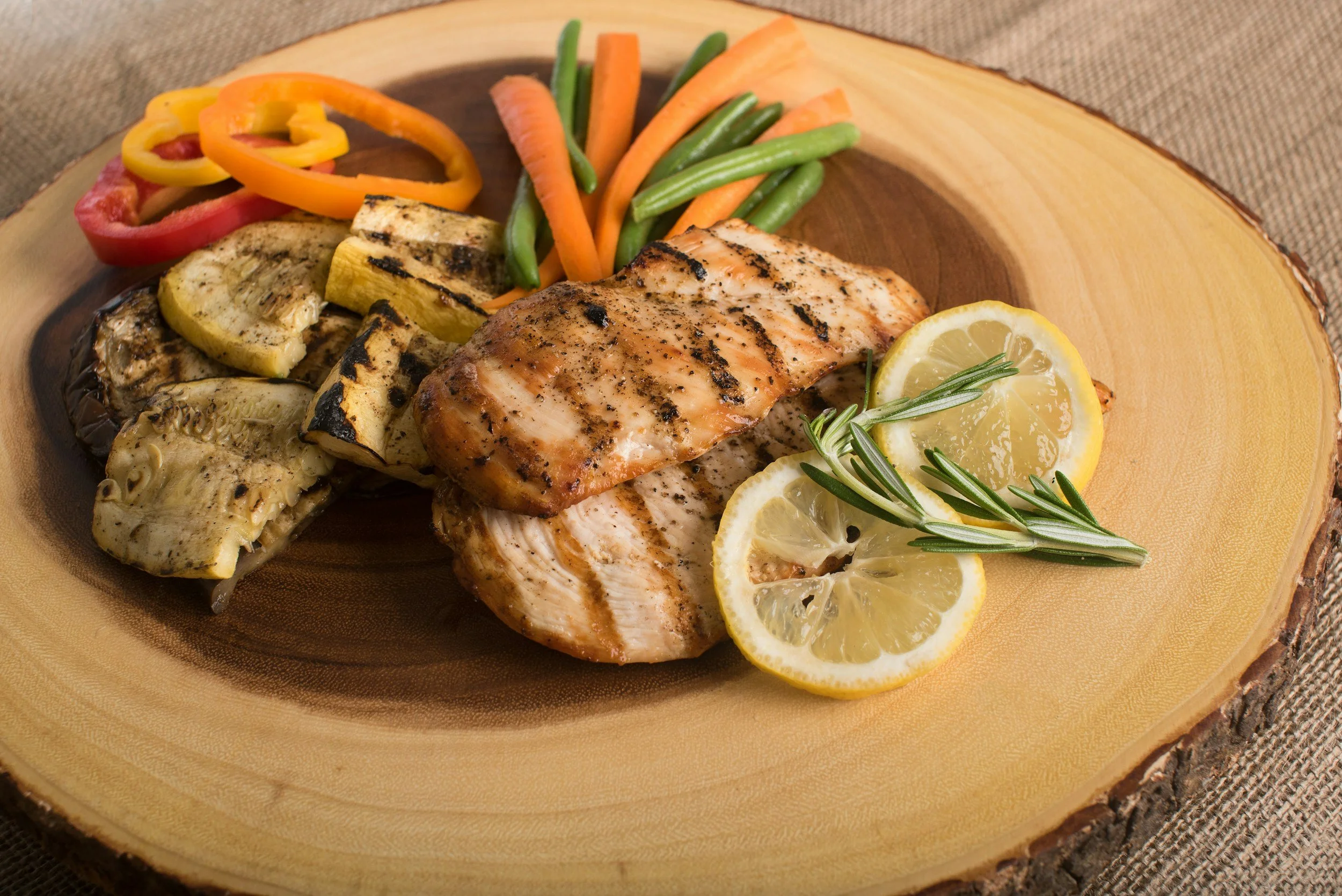
Protein is one of the most important nutrients for women who want to build lean muscle and feel stronger.
It helps:
Repair muscle tissue
Support muscle growth
Improve recovery
Keep you satisfied
Maintain lean body mass
Support a healthy metabolism
Without enough protein, your body may struggle to recover from training.
You may also feel hungrier between meals.
High-Protein Foods
Good protein options include:
Chicken
Turkey
Lean beef
Eggs
Salmon
Tuna
Shrimp
Greek yogurt
Cottage cheese
Tofu
Tempeh
Lentils
Beans
Protein powder
Try to include a source of protein at every meal.
A simple target may be:
25–35 grams at breakfast
25–40 grams at lunch
25–40 grams at dinner
10–25 grams in snacks
Your exact needs will depend on your body size, activity level and goals.
Do Not Save All Your Protein for Dinner
Many women eat very little protein during the day.
Then try to make up for it at dinner.
A better approach is to spread protein throughout the day.
This gives your body regular access to the amino acids it needs for muscle repair and growth.
Eat Carbohydrates for Energy and Performance
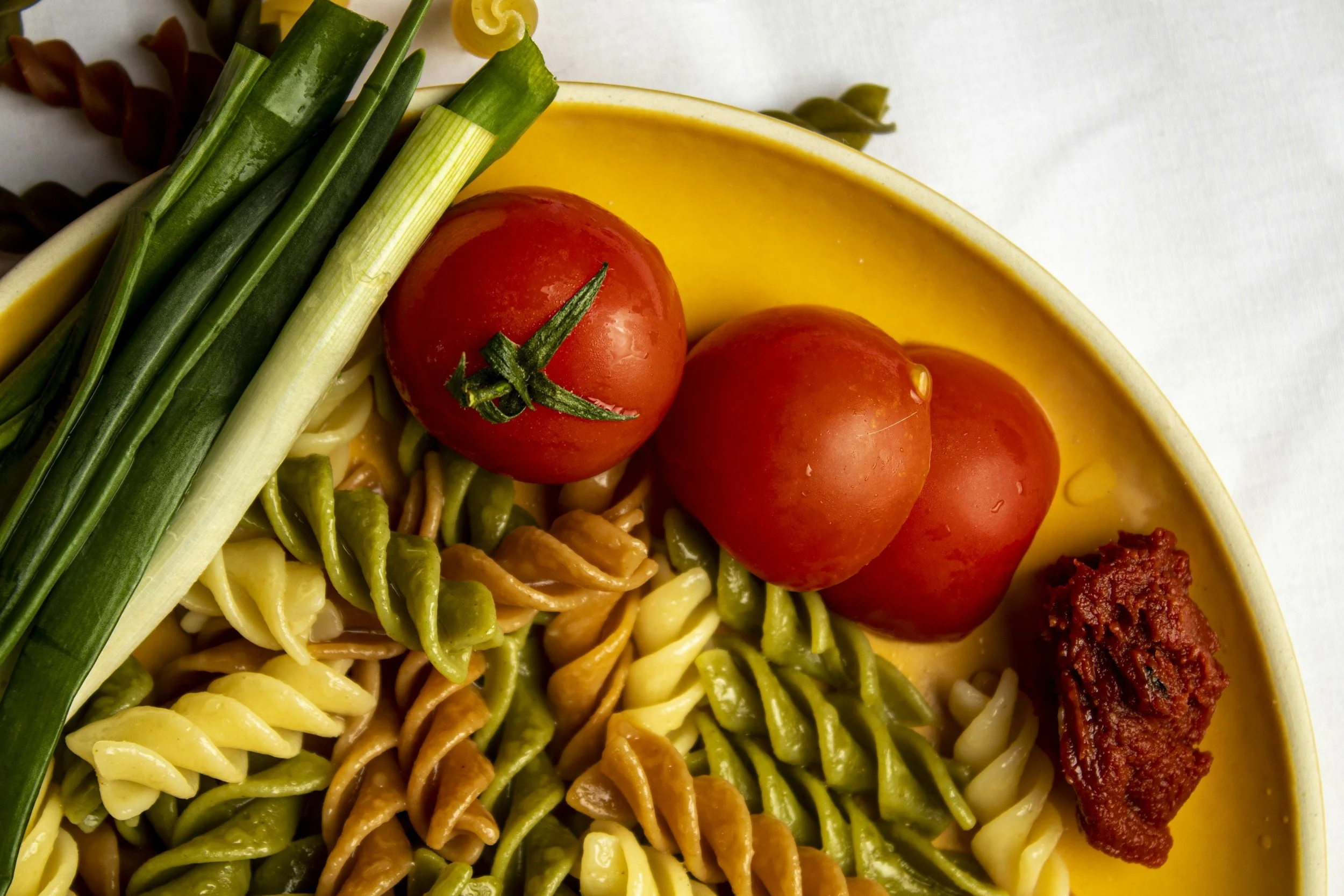
Carbohydrates are not the enemy.
They are your body’s preferred source of energy for many activities.
They help fuel:
Strength training
Higher-intensity exercise
Daily movement
Brain function
Muscle recovery
When you cut carbohydrates too low, you may notice:
Low energy
Weaker workouts
Increased cravings
Poor recovery
Irritability
Difficulty concentrating
Trouble building muscle
Carbohydrates also help replenish glycogen.
Glycogen is stored energy your muscles use during training.
See how I put protein, carbs, fats, and meal timing together in my own routine.
Read: What I Eat in a Day as a Strength Coach (Macros, Meals & Timing for Lean Muscle)
Healthy Carbohydrate Sources
Include foods like:
Oats
Rice
Potatoes
Sweet potatoes
Fruit
Whole-grain bread
Pasta
Quinoa
Beans
Lentils
Corn
Dairy products
You do not need to remove bread, rice or potatoes to become lean.
Portion size and overall balance matter more than avoiding one specific food.
Eat Carbohydrates Around Your Workouts
Before training, carbohydrates can help you feel stronger and more energized.
After training, they can support recovery and replenish muscle glycogen.
Simple pre-workout options include:
Banana and Greek yogurt
Oatmeal with protein powder
Toast with eggs
Fruit and cottage cheese
Rice cakes with turkey
Post-workout meals may include:
Chicken and rice
Salmon and potatoes
Turkey pasta
Greek yogurt, fruit and granola
A protein smoothie with fruit
Fueling your workouts can help you train harder.
And better training supports better results.
Include Healthy Fats for Hormone Support
Dietary fat plays an important role in women’s health.
It helps support:
Hormone production
Brain health
Nutrient absorption
Satisfaction after meals
Cell function
Menstrual health
Very low-fat diets can make it difficult to meet your body’s nutritional needs.
This is especially true when low-fat eating is combined with low calories and intense exercise.
Healthy Fat Sources
Include foods like:
Avocado
Olive oil
Nuts
Nut butter
Seeds
Eggs
Salmon
Sardines
Full-fat or reduced-fat dairy
Chia seeds
Flaxseeds
You do not need a huge serving at every meal.
But you should not remove fat completely.
Omega-3 Fats
Omega-3 fats may support heart health, brain function and the body’s normal inflammatory response.
Good sources include:
Salmon
Sardines
Trout
Chia seeds
Flaxseeds
Walnuts
Try adding fatty fish to your meals a few times per week.
If you do not eat fish, speak with a qualified healthcare professional before adding a supplement.
Choose Foods Rich in Important Vitamins and Minerals

Calories and macronutrients matter.
But vitamins and minerals matter too.
Women who diet frequently, skip meals or avoid several food groups may struggle to get enough essential nutrients.
Iron-Rich Foods
Iron helps your body produce healthy red blood cells and transport oxygen.
Low iron may contribute to:
Fatigue
Weakness
Poor workout performance
Shortness of breath
Difficulty concentrating
Iron-rich foods include:
Lean red meat
Chicken
Turkey
Beans
Lentils
Spinach
Fortified cereals
Tofu
Plant-based iron is absorbed better when eaten with vitamin C.
Try combining:
Lentils with tomatoes
Spinach with berries
Beans with bell peppers
Fortified cereal with fruit
Women with heavy menstrual periods may have a greater risk of iron deficiency.
Do not take a high-dose iron supplement unless a healthcare professional recommends it.
Calcium and Vitamin D
Calcium and vitamin D support:
Bone health
Muscle function
Nerve function
Overall health
Food sources include:
Milk
Greek yogurt
Cottage cheese
Cheese
Fortified plant milk
Sardines
Tofu made with calcium
Leafy green vegetables
Vitamin D is found in fewer foods.
Sources may include fatty fish, eggs and fortified products.
Magnesium-Rich Foods
Magnesium supports hundreds of processes in the body.
It is involved in:
Muscle function
Energy production
Nerve function
Blood sugar regulation
Bone health
Sources include:
Pumpkin seeds
Almonds
Cashews
Dark chocolate
Beans
Spinach
Whole grains
Avocado
You do not need to chase every nutrient individually.
Eating a wide variety of foods makes balanced nutrition easier.
Build Balanced Meals You Can Repeat
You do not need complicated recipes.
You need meals that contain enough protein, carbohydrates, fats and produce.
A simple meal formula is:
Protein + carbohydrate + produce + healthy fat
Breakfast Ideas
Eggs, toast, avocado and fruit
Greek yogurt, berries, oats and nut butter
Protein oatmeal with banana and chia seeds
Cottage cheese, fruit and whole-grain toast
Smoothie with protein powder, fruit, milk and nut butter
Lunch Ideas
Chicken, rice, vegetables and olive oil
Turkey sandwich with fruit and Greek yogurt
Tuna bowl with potatoes and avocado
Beef, quinoa and roasted vegetables
Tofu, rice and mixed vegetables
Dinner Ideas
Salmon, potatoes and a side salad
Lean beef pasta with vegetables
Chicken tacos with beans and avocado
Turkey meatballs, rice and broccoli
Shrimp stir-fry with noodles
Snack Ideas
Greek yogurt and fruit
Cottage cheese and berries
Apple and peanut butter
Protein shake and banana
Eggs and toast
Cheese and whole-grain crackers
Hummus and vegetables
What to Limit

You do not need to eliminate your favorite foods.
But your diet should not rely mainly on:
Highly restrictive diet products
Protein bars instead of full meals
Very low-calorie snacks
Large amounts of caffeine
Supplements marketed as hormone fixes
Foods chosen only because they are “low carb”
Skipping meals to save calories
Whole foods should make up most of your nutrition.
But flexibility matters too.
A sustainable diet can include desserts, restaurant meals and foods you enjoy.
I’ve gathered some of my favorite wellness, nutrition, and kitchen essentials in one place.
Conclusion
The best foods for women’s hormone health, energy and lean muscle are not exotic.
They are simple foods eaten consistently.
Focus on:
Protein at every meal
Carbohydrates for energy
Healthy fats for hormone support
Fruits and vegetables for nutrients
Calcium-rich foods for bone health
Iron-rich foods for energy
Enough total food to support your body
Remember:
A healthy food cannot make up for chronic undereating.
And a supplement cannot replace balanced meals.
Your body needs enough energy to:
Produce hormones
Build muscle
Recover from exercise
Maintain a healthy menstrual cycle
Support daily activity
Feel strong
The goal is not to eat as little as possible.
The goal is to eat in a way that helps you perform, recover and feel your best.
The WELLTHY approach focuses on balanced nutrition, strength training and realistic habits that support women’s health without extreme rules.
Visitwellthybyerin.com for more guidance on building lean muscle, supporting your metabolism and creating a healthier lifestyle you can maintain.
Frequently Asked Questions
1. What is the best food for balancing female hormones?
There is no single best food. Hormone health is supported by an overall balanced diet that includes enough protein, carbohydrates, healthy fats, vitamins and minerals. Consistent nutrition matters more than one “superfood.”
2. Do women need carbohydrates to build lean muscle?
Carbohydrates provide energy for strength training and help replenish muscle glycogen. Protein is necessary for muscle repair. But carbohydrates can help you train harder, recover better and maintain stronger performance. Both are important.
3. How much protein should women eat?
Protein needs vary based on body size, training and goals. Many active women benefit from including approximately 25–40 grams of protein in each main meal. A registered dietitian can help determine your individual needs.
4. Are fats bad for weight loss?
No. Healthy fats support hormones, satisfaction and nutrient absorption. They are higher in calories than protein and carbohydrates, so portions still matter. You do not need to remove fats to lose body fat.
5. Do I need supplements for hormone balance?
Not necessarily. Most women should begin with balanced meals, enough total food, proper sleep and appropriate exercise. Supplements should be based on your individual needs, symptoms and lab results. Speak with a qualified healthcare professional before taking supplements for hormonal concerns.
Get The WELLTHY Hormone-Supportive Meal Plan inside Substack, a practical guide to building balanced meals that support your hormones, energy, metabolism, and overall well-being. You’ll learn how to combine protein, healthy fats, fiber-rich carbohydrates, and nutrient-dense foods, plan satisfying meals and snacks, support more stable blood sugar, and create a realistic way of eating that nourishes your body without complicated rules or restriction.