
Fiber Intake for Women: How Much You Actually Need (For Fat Loss, Gut Health & Hormone Balance)
You’re eating healthy.
Choosing salads.
Adding fruit.
And trying to improve your digestion.
But you still feel:
Bloated
Constipated
Hungry between meals
Low in energy
Unsure if you’re eating enough fiber
Fiber is often treated like a simple digestion nutrient.
But it supports much more than regular bowel movements.
Getting enough fiber may help support:
Gut health
Fullness
Blood sugar control
Healthy cholesterol
Weight management
Regular digestion
The removal of waste from the body
The problem?
Many women either eat too little fiber or increase it too quickly.
Let’s break down how much you actually need and how to get it without feeling uncomfortable.
What Is Fiber?
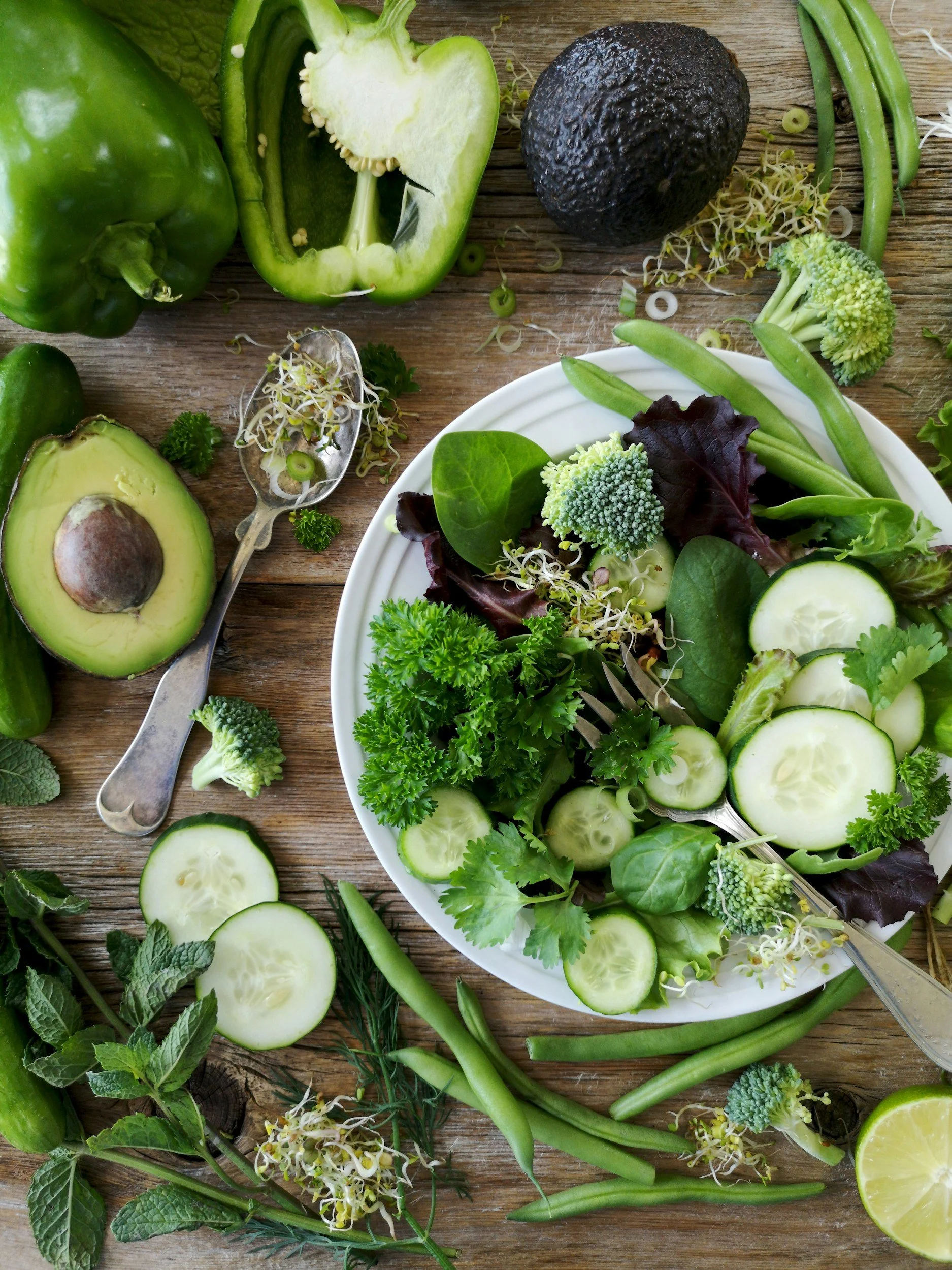
Fiber is a type of carbohydrate found in plant foods.
Unlike other carbohydrates, your body does not fully digest it.
Instead, fiber moves through your digestive system and supports several important functions.
There are two main types:
Soluble Fiber
Soluble fiber absorbs water and forms a gel-like substance during digestion.
It can help:
Slow digestion
Support fullness
Maintain healthy blood sugar levels
Support healthy cholesterol
Soften stool
Soluble fiber is found in:
Oats
Beans
Lentils
Apples
Citrus fruits
Chia seeds
Flaxseeds
Barley
Insoluble Fiber
Insoluble fiber adds bulk to stool.
It helps move food and waste through your digestive system.
It is found in:
Whole grains
Wheat bran
Vegetables
Nuts
Seeds
Fruit skins
You need both types.
Most fiber-rich foods contain a mixture of soluble and insoluble fiber.
How Much Fiber Do Women Actually Need?

Most adult women need approximately 22 to 28 grams of fiber per day, depending on age and overall calorie needs.
General adult recommendations range from 22 to 34 grams per day based on age and sex.
A simple daily goal for many women is:
Around 25 grams per day
You may need more if you:
Eat more calories
Are highly active
Have been advised by a dietitian
Need additional digestive support
You may need a slower or more individualized approach if you have:
Irritable bowel syndrome
Inflammatory bowel disease
Ongoing digestive pain
A history of bowel surgery
Severe constipation
A gastrointestinal condition
More fiber is not automatically better.
Eating very large amounts can cause:
Bloating
Gas
Cramping
Constipation
Loose stools
Reduced appetite
The goal is not to eat as much fiber as possible.
The goal is to eat enough for your body.
How Fiber Supports Fat Loss
Fiber does not directly burn body fat.
But it can make a fat-loss plan easier to follow.
It Helps You Feel Full
Fiber-rich foods usually take longer to chew and digest.
They can help meals feel more satisfying.
This may reduce:
Constant snacking
Large hunger swings
Overeating later in the day
Cravings caused by unbalanced meals
High-fiber foods also tend to contain more volume.
For example:
A bowl of berries provides more food volume than a small sugary snack.
Beans, vegetables and whole grains can also make meals more filling.
It Supports Balanced Meals
Fiber-rich foods are often packed with nutrients.
They include:
Fruits
Vegetables
Beans
Lentils
Whole grains
Nuts
Seeds
These foods can help you build meals that are filling without relying only on low-calorie diet products.
It Works Best with Protein
Fiber alone is not enough to create a balanced meal.
For better fullness, combine fiber with protein.
Try:
Greek yogurt with berries and chia seeds
Eggs with whole-grain toast and fruit
Chicken with rice and vegetables
Salmon with potatoes and broccoli
Cottage cheese with fruit and nuts
Turkey with beans and avocado
Protein supports muscle.
Fiber supports fullness and digestion.
Together, they help make your meals more satisfying.
If you want a real-life example of how I balance protein, carbs, fats, and meals throughout the day, check out: WHAT I EAT IN A DAY AS A STRENGTH COACH (MACROS, MEALS & TIMING FOR LEAN MUSCLE)
How Fiber Supports Gut and Hormone Health

Fiber plays an important role in digestive health.
It helps support regular bowel movements and may make stool softer and easier to pass. Drinking enough fluid helps fiber work more effectively.
Fiber Feeds Your Gut Bacteria
Certain fibers act as prebiotics.
Prebiotics provide fuel for beneficial bacteria in your gut.
Foods that contain prebiotic fibers include:
Garlic
Onions
Leeks
Oats
Bananas
Beans
Asparagus
A healthy gut microbiome is supported by eating a variety of plant foods.
You do not need one expensive probiotic food.
Variety matters.
Fiber Helps Remove Waste
Your digestive system helps remove waste products from the body.
Regular bowel movements support this natural process.
Constipation may cause you to feel:
Bloated
Heavy
Uncomfortable
Less energetic
Fiber, hydration and regular movement can all support digestive regularity.
What About Hormone Balance?
Fiber does not directly “fix” your hormones.
No single food can do that.
However, eating enough fiber may support overall health by helping with:
Blood sugar regulation
Digestion
Regular bowel movements
Heart health
A balanced eating pattern
Fiber-rich foods also provide vitamins, minerals and antioxidants that support normal body functions.
Hormone health depends on the full picture.
That includes:
Eating enough calories
Getting enough healthy fats
Consuming adequate protein
Sleeping well
Managing stress
Exercising appropriately
Maintaining a healthy menstrual cycle
Fiber is one part of the plan.
Not the entire plan.
The Best High-Fiber Foods for Women
You do not need a fiber supplement to reach your daily target.
Start with whole foods.
High-Fiber Fruits
Choose:
Raspberries
Blackberries
Pears
Apples with the skin
Oranges
Bananas
Avocado
Easy ways to eat more fruit:
Add berries to yogurt.
Eat an apple with peanut butter.
Add banana to oatmeal.
Include fruit with breakfast.
Blend fruit into a protein smoothie.
High-Fiber Vegetables
Choose:
Broccoli
Brussels sprouts
Carrots
Green peas
Sweet potatoes
Artichokes
Leafy greens
Bell peppers
Try to include vegetables in at least two meals per day.
Frozen vegetables count too.
They are convenient, affordable and nutritious.
Beans and Lentils
Beans and lentils are some of the best fiber sources.
Options include:
Black beans
Chickpeas
Kidney beans
Lentils
Pinto beans
Edamame
Add them to:
Salads
Soups
Rice bowls
Tacos
Pasta dishes
Wraps
Start with a small portion if you are not used to eating them.
Whole Grains
Whole grains provide fiber and carbohydrates for energy.
Choose:
Oats
Brown rice
Quinoa
Barley
Whole-grain bread
Whole-grain pasta
High-fiber cereal
Popcorn
You do not have to replace every grain with a whole-grain version.
Small changes can make a big difference.
Nuts and Seeds
Choose:
Chia seeds
Flaxseeds
Almonds
Pistachios
Pumpkin seeds
Walnuts
Add them to:
Oatmeal
Yogurt
Smoothies
Salads
Snacks
Portions still matter because nuts and seeds are calorie-dense.
But they can be a healthy part of a balanced diet.
A Simple High-Fiber Day
Breakfast: Oatmeal with berries, chia seeds and Greek yogurt
Lunch: Chicken, rice, black beans and vegetables
Snack: Apple with peanut butter
Dinner: Salmon, roasted sweet potato and broccoli
Optional snack: Greek yogurt with flaxseed
You do not need complicated meals.
You need consistent fiber throughout the day.
Want to make healthy eating a little easier? I’ve put together some of my favorite finds to help you stay consistent with your goals.
Conclusion
If you are currently eating very little fiber, do not jump from 10 grams to 30 grams overnight.
Your digestive system needs time to adjust.
Increasing fiber too quickly may cause:
Gas
Bloating
Stomach discomfort
Constipation
Loose stools
Start by making one or two changes.
For example:
Add fruit to breakfast.
Include vegetables at lunch.
Add beans to one meal.
Choose whole-grain bread.
Add chia seeds to yogurt.
Snack on fruit and nuts.
Increase your intake gradually.
And drink enough water.
The National Institute of Diabetes and Digestive and Kidney Diseases recommends adding fiber little by little and consuming enough liquids to help it work properly.
Remember:
Fiber supports your goals.
But it should not replace:
Protein
Healthy fats
Carbohydrates
Strength training
Sleep
Proper hydration
Enough total food
The goal is not to chase a perfect number every day.
The goal is to create balanced meals that support your digestion, energy and long-term health.
The WELLTHY approach focuses on realistic nutrition and fitness habits that help women feel stronger without extreme food rules.
Visit wellthybyerin.com for more support with nutrition, metabolism, strength training and sustainable fat loss.
Frequently Asked Questions
1. Is 25 grams of fiber enough for women?
For many adult women, around 25 grams per day is a reasonable goal. Individual needs may vary based on age, calorie intake, health and activity level. General adult recommendations range from 22 to 34 grams per day.
2. Can fiber help reduce belly fat?
Fiber does not target belly fat directly. However, high-fiber foods may improve fullness and make it easier to maintain a balanced calorie intake. Fat loss happens across the body. You cannot choose exactly where your body loses fat first.
3. Why am I bloated after eating more fiber?
Your digestive system may need time to adjust. Bloating can happen when fiber intake increases too quickly. Start with smaller portions and gradually increase your intake. Drinking enough water may also help.
4. Is a fiber supplement as good as food?
Fiber supplements can be helpful for some people.
But whole foods also provide:
Vitamins
Minerals
Antioxidants
Carbohydrates
Healthy fats
Other beneficial nutrients
Start with food when possible. Speak with a healthcare professional before using a supplement for ongoing digestive symptoms.
5. Can too much fiber cause constipation?
Yes. Eating a large amount of fiber without enough fluid may make constipation worse. Too much fiber may also cause bloating, gas and discomfort. Increase fiber slowly and stay properly hydrated.
Get The WELLTHY Fiber Reset inside Substack, a practical guide to helping you increase your daily fiber intake in a simple, sustainable way. You’ll learn why fiber matters, how much you need, easy ways to add more fiber to your meals, how to build a high-fiber day, support digestion and fullness, and avoid common mistakes like increasing fiber too quickly.