
You’re eating healthier.
Trying to get enough protein.
Going to the gym.
And maybe even doing more cardio.
But you still feel like your body is not changing the way you expected.
You may be wondering:
Why am I getting stronger but the scale is barely moving?
Should I eat less to lose fat?
Should I eat more to build muscle?
How much protein do I actually need?
Do I need more cardio?
Can women really lose fat and build muscle at the same time?
This is where body recomposition comes in.
Body recomposition focuses on improving your ratio of muscle to body fat rather than simply trying to make the number on the scale smaller.
The goal is not just:
Lose weight.
The goal is to:
Lose body fat while maintaining or building lean muscle.
And that requires a slightly different approach than traditional dieting.
Let’s break down how to structure the next six weeks.
What Is Body Recomposition?

Body recomposition means changing what your body is made of.
Instead of focusing only on total body weight, you focus on two things:
Decreasing body fat
Maintaining or increasing muscle
This is why the scale can sometimes be misleading.
You may lose fat while gaining some muscle.
When this happens, your body weight may:
Decrease slowly
Stay relatively stable
Fluctuate from week to week
But you may still notice:
Clothes fitting differently
More muscle definition
A smaller waist
Improved strength
Better posture
A firmer appearance
The number on the scale is only one piece of information.
Body composition tells you more about what is actually changing.
Can Women Lose Fat and Build Muscle at the Same Time?
Yes.
But your results will depend on several factors.
Body recomposition can be especially realistic for women who:
Are new to strength training
Are returning to lifting after a break
Have not been following a structured strength program
Have room to reduce body fat
Recently improved their protein intake
Have been inconsistent with nutrition or training
Women who have already been lifting consistently for several years may experience slower muscle growth while losing fat.
That does not mean recomposition is impossible.
It simply means progress may be more gradual.
Muscle building takes time.
Fat loss also takes time.
Trying to force both through extreme dieting usually makes the process harder.
What Actually Drives Body Recomposition?

There is no special body recomposition diet.
You do not need:
Detoxes
Fat burners
Extremely low carbohydrates
Two workouts per day
Hours of cardio
A perfect meal plan
Complicated supplements
The foundation is much simpler.
Body recomposition depends heavily on:
Adequate protein
Strength training
Appropriate calorie intake
Enough carbohydrates and healthy fats
Recovery
Consistency
Let’s look at each one.
Protein Is a Priority
If you want to build or maintain muscle while losing fat, protein matters. Protein provides amino acids your body uses to repair and build muscle tissue. A general target for active women pursuing body recomposition is approximately:
1.6 to 2.2 grams of protein per kilogram of body weight per day
Individual needs vary. You do not have to hit a perfect number every single day. A simpler approach is to include a meaningful protein source at every meal.
For example:
Breakfast
Eggs
Greek yogurt
Cottage cheese
Protein oatmeal
Protein smoothie
Lunch
Chicken
Turkey
Tuna
Salmon
Lean beef
Tofu
Tempeh
Dinner
Fish
Chicken
Turkey
Lean beef
Shrimp
Tofu
Beans combined with another protein source
Snacks
Greek yogurt
Cottage cheese
Protein shake
Hard-boiled eggs
Edamame
Aim to spread protein throughout your day rather than eating very little protein during the day and trying to make up for it at dinner.
Knowing you need enough protein is one thing. Figuring out how to actually build it into your day is another.
In WHAT I EAT IN A DAY AS A STRENGTH COACH (MACROS, MEALS & TIMING FOR LEAN MUSCLE), I’m breaking down how I structure my meals, macros, protein, and meal timing to support strength, lean muscle, energy, and recovery.
Do You Need a Calorie Deficit?
If fat loss is your main goal, you will generally need to consume less energy than your body uses over time.
But bigger is not always better.
An aggressive calorie deficit may make it harder to:
Train effectively
Recover from workouts
Maintain muscle
Get stronger
Manage hunger
Sleep well
Stay consistent
For body recomposition, a small calorie deficit is often more practical than dramatically reducing food intake.
Some women, particularly beginners or women returning to strength training, may also see improvements in body composition while eating around maintenance calories.
The goal is not:
Eat as little as possible.
The goal is:
Eat enough to train, recover and support muscle while creating the conditions needed for gradual fat loss.
Carbohydrates Are Not the Enemy
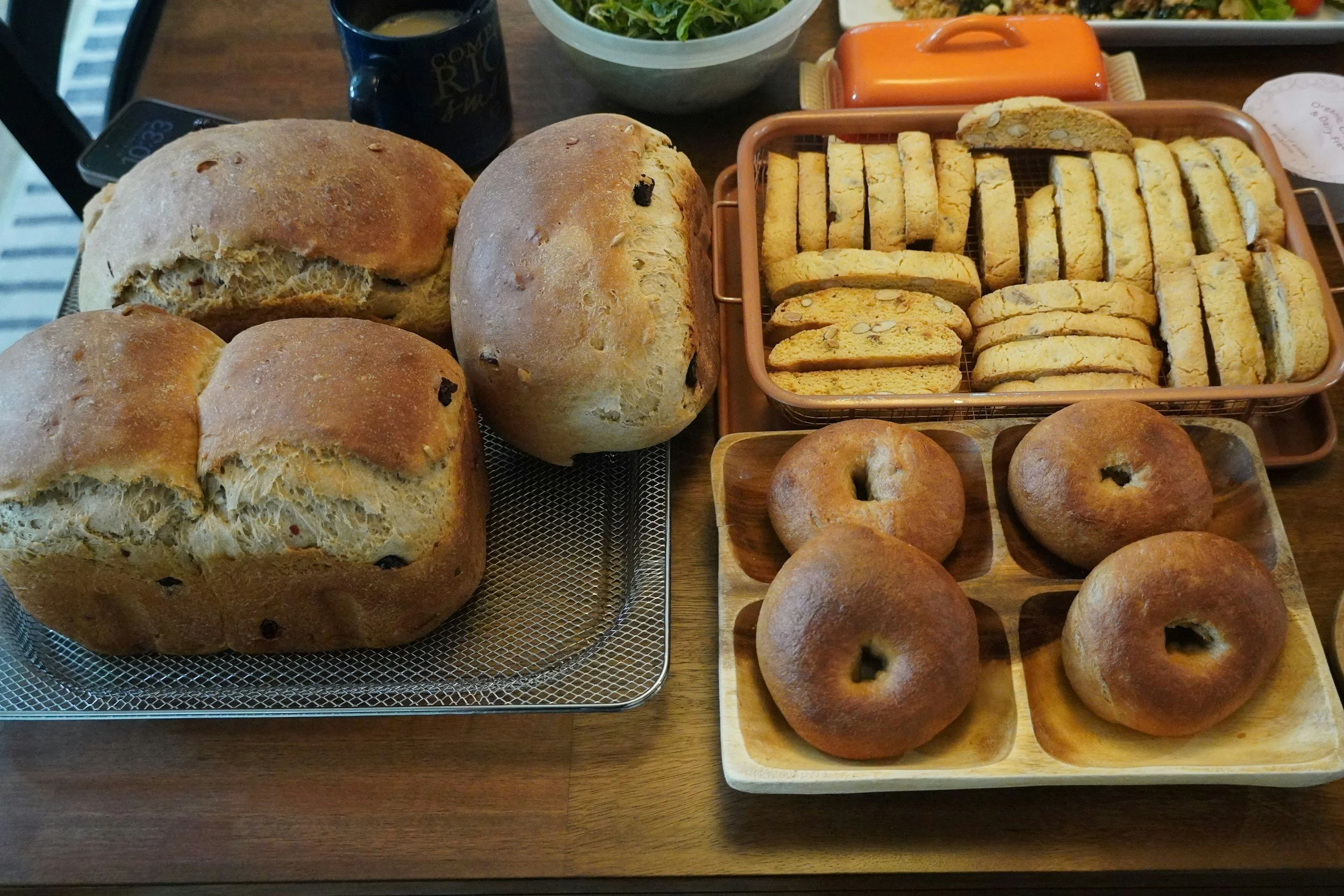
Carbohydrates provide energy.
And strength training requires energy.
Foods such as:
Rice
Potatoes
Oats
Fruit
Beans
Quinoa
Whole-grain bread
Pasta
can all fit into a body recomposition plan.
Carbohydrates can be especially helpful around workouts.
For example:
Before training:
Greek yogurt with fruit
After training:
Chicken with rice and vegetables
You do not need to remove carbohydrates to lose body fat.
Your total nutrition pattern matters more.
Healthy Fats Still Matter
Dietary fat supports many normal body functions and should not be eliminated simply because your goal is fat loss.
Healthy fat sources include:
Avocado
Olive oil
Nuts
Seeds
Peanut butter
Salmon
Eggs
Remember that fats are calorie-dense.
Portions still matter.
But extremely low-fat diets are not necessary for successful body recomposition.
A balanced plan includes:
Protein + carbohydrates + healthy fats + fiber
Not one food group at the expense of everything else.
Strength Training Is the Foundation
If you want to change your body composition, strength training should be a major part of your plan.
Cardio can support health and calorie expenditure.
But cardio alone does not provide the same muscle-building stimulus as resistance training.
A simple starting point for many women is:
3 to 4 strength-training sessions per week
Focus primarily on movements such as:
Squats
Lunges
Deadlift variations
Hip thrusts
Glute bridges
Rows
Lat pulldowns
Chest presses
Shoulder presses
Step-ups
Split squats
You do not need dozens of exercises.
You need a manageable group of exercises that you can gradually improve.
Progressive Overload Matters
Doing the same workout with the same weight forever will eventually limit progress.
Your muscles need a reason to adapt.
Progressive overload simply means gradually making your training more challenging.
That may mean:
Adding weight
Adding repetitions
Improving your technique
Increasing your range of motion
Performing an additional set
Using better control
Completing the same workout with better form
Progress does not have to happen every workout.
The goal is gradual improvement over time.
The 6-Week Body Recomposition Plan
Six weeks will not completely transform your body.
But it is enough time to establish better habits, improve your strength and begin seeing changes in how your body looks and feels.
Think of these six weeks as the beginning of a longer process.
Week 1: Build Your Baseline
Do not start by changing everything.
First, understand what you are currently doing.
For one week, pay attention to:
Your meals
Protein intake
Workout frequency
Daily movement
Sleep
Hunger
Energy
Strength levels
Take baseline measurements if you want to track progress.
You can record:
Body weight
Waist measurement
Hip measurement
Progress photos
Workout weights
You do not have to track every measurement.
Choose the ones that feel useful.
Your goal for Week 1 is awareness.
Not perfection.
Week 1 Focus
Complete 3 strength workouts
Include protein at each meal
Eat fruits or vegetables regularly
Drink enough water
Establish a consistent sleep routine
Track your starting strength
Week 2: Build Your Meals Around Protein
Now that you understand your baseline, improve your meal structure.
Instead of asking:
What should I remove?
Ask:
What does this meal need?
Build most meals around:
Protein - Chicken, eggs, Greek yogurt, fish, lean beef, tofu or another protein source.
Produce - Fruit or vegetables.
Carbohydrates - Rice, potatoes, oats, fruit, bread, pasta or another carbohydrate source.
Healthy fats
Avocado, nuts, seeds, olive oil or another fat source.
A meal might look like:
Chicken + rice + broccoli + avocado
Or:
Greek yogurt + berries + oats + chia seeds
Simple meals work.
You do not need complicated recipes.
Week 2 Focus
Eat protein consistently
Stop skipping meals only to save calories
Build balanced meals
Continue 3 to 4 strength workouts
Pay attention to hunger and workout energy
Week 3: Start Progressing Your Training
By Week 3, begin paying closer attention to your workouts.
Write down:
Exercise
Weight used
Repetitions
Sets
Your goal is to gradually improve.
For example:
If you performed:
Goblet squat: 20 pounds for 10 reps
You might eventually progress to:
20 pounds for 12 reps
And later:
25 pounds for 8 to 10 reps
Small improvements count.
Week 3 Focus
Try to improve at least a few movements while maintaining good technique.
You do not need to increase weight on every exercise.
Quality comes first.
Week 4: Increase Daily Movement
You do not need endless cardio.
But movement outside the gym still matters.
Walking is one of the simplest ways to increase daily activity without adding a large amount of training stress.
Try:
Walking after meals
Taking the stairs
Parking farther away
Walking while taking phone calls
Taking a short evening walk
Adding a few minutes to your usual daily movement
If you enjoy cardio, you can also include moderate sessions such as:
Walking
Cycling
Swimming
Incline treadmill
Hiking
Keep strength training as the priority.
Week 4 Focus
Maintain strength workouts
Increase normal daily movement
Avoid using cardio as punishment for eating
Continue eating enough to support training
Week 5: Assess Before You Adjust
This is where many women panic.
They step on the scale, do not see the number they expected and immediately:
Cut calories
Add cardio
Remove carbohydrates
Skip snacks
Train more
Before changing anything, look at the bigger picture.
Ask:
Am I stronger?
Are my clothes fitting differently?
Has my waist measurement changed?
Am I consistent with my workouts?
Am I actually hitting my protein goal?
Am I sleeping enough?
Have I only followed the plan for a few weeks?
Women's body weight can fluctuate because of:
Menstrual cycle changes
Sodium
Carbohydrate intake
Digestion
Hydration
Stress
Muscle soreness
One weigh-in does not tell you whether your program is working.
Week 5 Focus
Only make adjustments based on trends.
Not one day.
Week 6: Review Your Progress
At the end of six weeks, compare your results with your Week 1 baseline.
Look at:
Strength
Progress photos
Measurements
Clothing fit
Energy
Hunger
Workout performance
Body weight trends
You may find that your weight has not dramatically changed.
But perhaps:
Your waist is smaller
Your legs feel stronger
Your glutes look more developed
Your arms have more definition
You are lifting heavier
Your clothes fit differently
Those are meaningful results.
Week 6 Focus
Do not ask:
Did I completely transform my body?
Ask:
Am I moving in the right direction?
If the answer is yes, keep going.
A Simple Weekly Workout Schedule
You do not need to train seven days per week.
A simple schedule could look like:
Monday
Lower body strength
Tuesday
Walking or light activity
Wednesday
Upper body strength
Thursday
Rest or walking
Friday
Lower body strength
Saturday
Optional full-body workout, cardio or recreational activity
Sunday
Rest
Another option is three full-body workouts per week.
The best training schedule is one you can follow consistently and recover from.
A Simple Body Recomposition Day
You do not need special diet foods.
A normal day might look like this:
Breakfast
Eggs, whole-grain toast and berries
Lunch
Chicken, rice, vegetables and avocado
Snack
Greek yogurt with fruit
Dinner
Salmon, roasted potatoes and broccoli
Optional Snack
Cottage cheese with berries or a protein smoothie
Your meals do not have to look exactly like this.
The goal is simply to include enough protein, nutritious carbohydrates, healthy fats, fiber and total food to support your body.
How to Measure Body Recomposition Progress
The scale can be useful.
But do not use it alone.
Consider tracking several indicators.
Strength
Are you lifting more weight?
Completing more repetitions?
Moving with better control?
Strength improvements may indicate that your training is working.
Measurements
Waist, hip or other body measurements can show changes that body weight may miss.
Progress Photos
Take photos under similar conditions.
Use:
Similar lighting
Similar clothing
Similar poses
Similar time of day
Comparing photos taken every day will not tell you much.
Compare them every few weeks.
Clothing Fit
Your jeans may fit differently even when the scale barely changes.
Energy and Recovery
A successful plan should not leave you exhausted all the time.
Pay attention to how you feel.
Visit our Storefront for practical nutrition guides and resources designed to help you build balanced meals, increase protein, support your workouts, and make healthy eating easier to follow in real life.
Common Body Recomposition Mistakes
Eating Too Little
Cutting calories aggressively can reduce training performance and make the plan difficult to maintain.
More restriction does not automatically mean better results.
Not Eating Enough Protein
Strength training without adequate nutrition makes muscle building more difficult.
Make protein part of your normal meals.
Doing Too Much Cardio
Cardio is healthy.
But adding more and more cardio because you want faster fat loss may interfere with recovery.
Use cardio as a tool.
Not punishment.
Changing Your Workout Every Week
Muscle growth requires repetition and progression.
You need enough consistency to actually improve your exercises.
Expecting the Scale to Drop Quickly
Body recomposition is different from aggressive weight loss.
The scale may move more slowly because maintaining and building muscle is part of the goal.
Ignoring Sleep
Your workout is only one part of the process.
Recovery matters too.
Most adults should aim for approximately 7 to 9 hours of sleep when possible.
Expecting Results in One or Two Weeks
Body composition changes take time.
Six weeks can give you momentum.
Several months of consistency create more noticeable changes.
What Happens After Six Weeks?
Do not finish Week 6 and immediately jump into another extreme plan.
Evaluate what worked.
Maybe you need to:
Continue your current plan
Gradually increase training weights
Improve protein consistency
Increase calories if your training performance is suffering
Slightly reduce calories if fat loss has completely stalled
Improve sleep
Reduce excessive cardio
Add another strength day
Your next step should be based on your results.
Not what someone else is doing online.
Conclusion
Body recomposition is not about shrinking your body as quickly as possible.
It is about building a stronger body while gradually reducing excess body fat.
That means you need to support muscle.
Not starve it.
Focus on:
Adequate protein
Consistent strength training
Progressive overload
Balanced meals
Appropriate calories
Daily movement
Sleep
Recovery
And give your body enough time to respond.
Remember:
You do not need to:
Remove carbohydrates
Live on salads
Train every day
Do hours of cardio
Hit a perfect calorie target
Lose weight every week
The goal is not to create the most aggressive six-week plan possible.
The goal is to build habits you can still follow after the six weeks are over.
The WELLTHY approach focuses on realistic nutrition and strength habits that help women build muscle, improve their body composition and support sustainable fat loss without extreme food rules.
Visit wellthybyerin.com for more support with nutrition, metabolism, strength training and sustainable fat loss.
Frequently Asked Questions
1. Can you really change your body composition in six weeks?
You may begin seeing changes in six weeks, particularly if you are new to structured strength training or improving your nutrition for the first time.
However, significant muscle gain and fat loss usually require more than six weeks.
Think of six weeks as a strong starting phase rather than a finish line.
2. Should I lose weight first and then build muscle?
Not necessarily.
Some women can reduce body fat while maintaining or building muscle, especially when they begin strength training, improve protein intake and follow a consistent nutrition plan.
Whether you should focus primarily on fat loss, muscle gain or recomposition depends on your starting point and goals.
3. How much protein should women eat for body recomposition?
A commonly used range for active adults is approximately 1.6 to 2.2 grams of protein per kilogram of body weight per day.
Individual needs vary based on body size, health, activity and goals.
You can also simplify things by including a substantial protein source at each meal.
4. Do I need cardio to lose fat?
No specific type of cardio is required for fat loss.
Cardio can support cardiovascular health, fitness and overall energy expenditure, but nutrition and strength training remain important parts of a body recomposition plan.
Walking is also a useful way to increase daily movement.
5. Why am I losing inches but not weight?
You may be losing body fat while maintaining or building muscle.
Body weight is also affected by hydration, digestion, carbohydrate intake, menstrual cycle changes and other normal fluctuations.
Get The WELLTHY Body Recomposition Meal Plan inside Substack, a practical guide to building balanced meals that support fat loss while helping you maintain and build lean muscle. You’ll learn how to structure your meals, prioritize protein, choose supportive carbs and healthy fats, plan simple snacks, and create a realistic eating routine that supports your body recomposition goals without restrictive dieting.