
You start to get motivated.
You clean out the pantry.
Buy healthier groceries.
Start tracking your food.
And promise yourself that this time will be different.
For the first few days, everything feels great.
Then life happens.
You get busy.
You miss a workout.
You eat something that was not part of the plan.
The scale goes up.
And suddenly you feel like you failed.
So you either:
Eat even less
Add more cardio
Restart on Monday
Give up completely
Jump to another diet
This cycle is extremely common.
But the problem is usually not that you lack discipline.
The problem is often the fat loss plan itself.
Many programs are designed around quick results instead of habits you can realistically maintain.
Successful fat loss does not require being perfect.
It requires a plan you can continue long enough to actually see results.
Let’s break down why so many fat loss programs fail and what you can do differently.

Why Fat Loss Programs Often Fail
Most women do not fail because they are incapable of losing weight.
They fail because the program asks them to live in a way that is unrealistic.
A plan might work for:
One week
Two weeks
A month
But if you cannot imagine following it for several months, it is probably not a sustainable fat loss strategy.
Common problems include:
Eating too little
Cutting out entire food groups
Doing excessive cardio
Expecting fast results
Trying to be perfect
Ignoring hunger
Following someone else’s calorie target
Changing plans constantly
Relying on motivation
Fat loss becomes much easier when you stop trying to make the process as extreme as possible.
Mistake #1: Eating Too Little
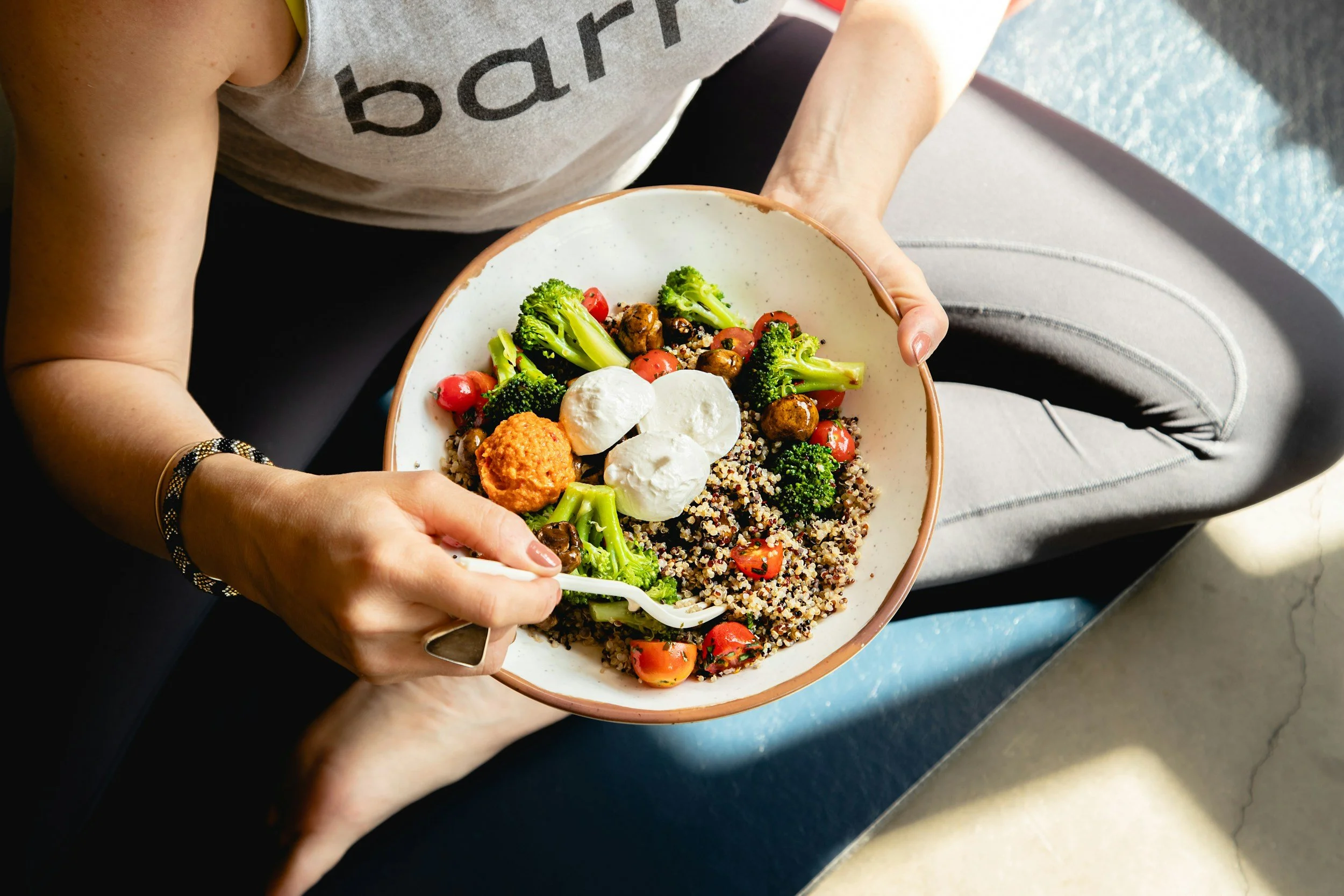
Photo by Clark Douglas on Unsplash
One of the most common fat loss mistakes is dramatically reducing food intake.
You might think:
If eating less helps me lose weight, eating even less must work faster.
But aggressive dieting often creates problems.
You may experience:
Constant hunger
Low energy
Irritability
Poor workouts
Food cravings
Trouble concentrating
Difficulty sleeping
Overeating later
Very low-calorie diets may produce quick scale changes initially.
But fast weight loss is not always better fat loss.
And if the plan leaves you exhausted and hungry, it becomes much harder to maintain.
The goal is not:
Eat as little as possible.
The goal is:
Eat enough to support your body while maintaining an appropriate calorie deficit.
Mistake #2: Trying to Be Perfect
Many women approach fat loss with an all-or-nothing mindset.
They believe they are either:
On the diet
or
Off the diet.
One restaurant meal becomes a bad weekend.
One missed workout becomes a missed week.
One dessert makes you feel like you ruined everything.
But one meal does not determine your progress.
Your overall pattern matters more.
Imagine you eat three meals per day.
That is approximately 21 meals per week.
One meal that looks different from your normal routine is only one small part of the week.
You do not need to restart.
You simply return to your normal habits at the next meal.
Consistency is not perfection.
Mistake #3: Removing Foods You Enjoy
A diet that completely removes everything you enjoy may feel disciplined at first.
But eventually, restriction can become exhausting.
You may try to eliminate:
Bread
Pasta
Rice
Dessert
Chocolate
Restaurant meals
Snacks
Carbohydrates
Foods you actually enjoy
Unless you need to avoid a food for a medical reason, most foods can fit into a balanced fat loss plan.
You can eat:
Pizza
Dessert
Bread
Pasta
Chocolate
and still lose body fat.
Portions and overall calorie intake matter.
Your diet does not have to consist entirely of:
Chicken
Broccoli
Salads
Protein shakes
Your nutrition should support your goals.
But it should also fit your life.
Mistake #4: Not Eating Enough Protein
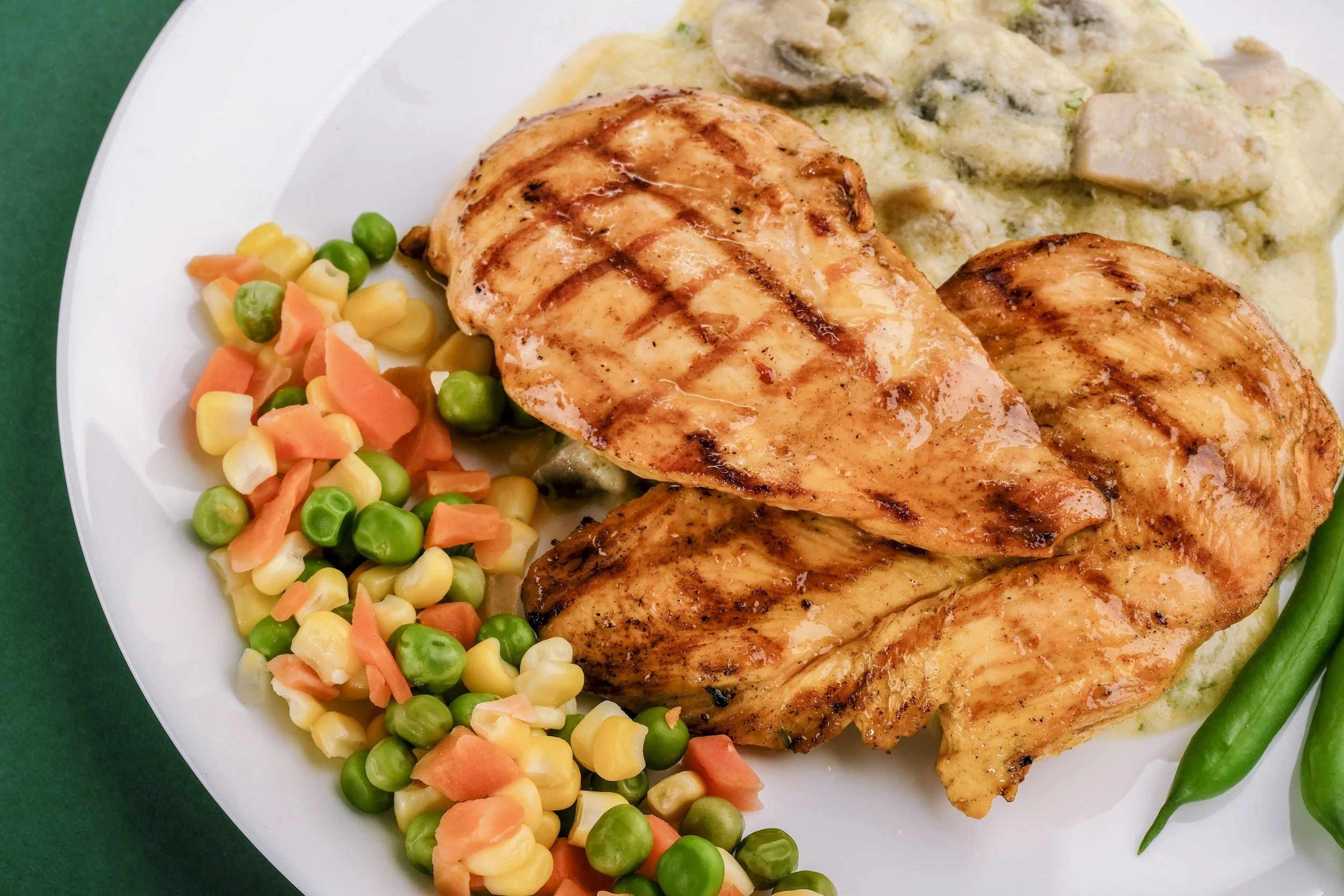
Photo by Sam Moghadam on Unsplash
Protein is especially important during fat loss.
It helps support:
Muscle maintenance
Recovery
Fullness
Strength training
Meal satisfaction
A meal that contains mostly carbohydrates may leave you hungry again quickly.
For example:
Instead of:
Toast and coffee
Try:
Eggs, toast and fruit
Instead of:
Fruit for lunch
Try:
Chicken, rice, vegetables and fruit
Instead of:
Crackers as a snack
Try:
Greek yogurt with berries
Protein does not have to make your meals complicated.
Try to include a protein source in most meals.
Options include:
Eggs
Greek yogurt
Cottage cheese
Chicken
Turkey
Fish
Lean beef
Tofu
Tempeh
Beans
Protein shakes
Mistake #5: Depending on Cardio for Fat Loss
Cardio can be great for your health.
But more cardio does not automatically mean more progress.
Some women start with:
30 minutes.
Then increase to:
45 minutes.
Then 60 minutes.
Eventually, they are doing cardio almost every day because they are afraid to stop.
This can make fat loss feel like a full-time job.
Cardio can support your goals.
But it should not be punishment for eating.
Walking, cycling, swimming, jogging and other forms of cardio can all be useful.
However, strength training should also be part of the picture.
Strength training helps support lean muscle while you are losing fat.
A balanced program may include:
3 to 4 strength-training sessions per week
Regular walking
Optional cardio based on your preferences and recovery
You do not have to live on the treadmill.
Mistake #6: Ignoring Strength Training
If your only goal is to make the scale smaller, it is easy to overlook muscle.
But muscle matters.
Strength training can help you:
Maintain muscle during fat loss
Improve strength
Change your body composition
Build confidence in the gym
Support long-term physical function
You do not need to become a bodybuilder.
You simply need consistent resistance training.
Focus on movements such as:
Squats
Lunges
Rows
Chest presses
Shoulder presses
Deadlift variations
Hip thrusts
Step-ups
Lat pulldowns
Start where you are.
Then gradually get stronger.
For a more structured approach, read The 6-Week Body Recomposition Plan for Women (Fat Loss + Lean Muscle Guide). It breaks down how to approach your nutrition, workouts, and daily habits over six weeks while working toward fat loss and lean muscle.
Mistake #7: Expecting Fast Results
You have probably seen transformations online that promise:
Lose 10 pounds in 10 days.
Or:
Drop a dress size in two weeks.
These promises can make normal progress feel disappointing.
Fat loss is rarely perfectly linear.
Your weight can fluctuate because of:
Hydration
Sodium intake
Carbohydrate intake
Digestion
Menstrual cycle changes
Stress
Sleep
Exercise soreness
You may be losing body fat even when the scale does not decrease every day.
Look at trends over time.
Not one weigh-in.
Mistake #8: Only Using the Scale
The scale can be useful.
But it does not tell the full story.
Suppose your body weight barely changes.
But:
Your waist measurement decreases
Your clothes fit better
Your strength improves
Your photos look different
Your energy improves
That is still progress.
Consider tracking:
Body weight trends
Waist measurements
Progress photos
Clothing fit
Strength
Energy
Hunger
Consistency
Your goal is not simply to weigh less.
It is to improve your health and body composition in a way you can maintain.
Mistake #9: Not Eating Enough Fiber
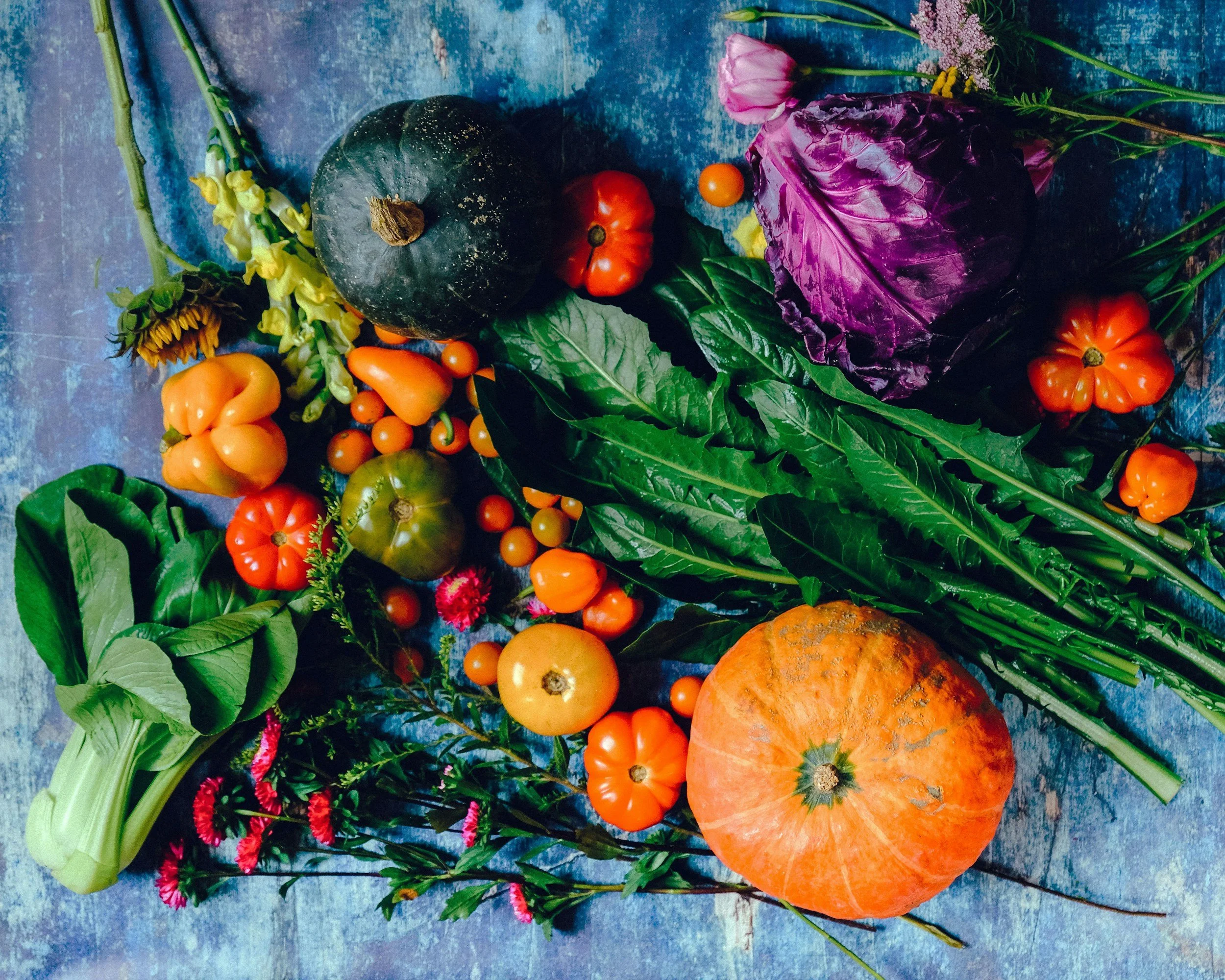
Photo by Iñigo De la Maza on Unsplash
Protein gets a lot of attention during fat loss.
But fiber matters too.
Fiber-rich foods can help meals feel more filling.
Foods that contain fiber include:
Fruits
Vegetables
Beans
Lentils
Oats
Whole grains
Nuts
Seeds
Instead of trying to survive on tiny portions, build meals with foods that provide volume and nutrients.
For example:
Chicken + rice + vegetables
may feel more satisfying than:
A small protein bar
even if both fit into your daily nutrition plan.
Pairing protein and fiber can make meals much more satisfying.
Mistake #10: Drinking Your Calories Without Realizing It
Drinks can contribute calories without providing much fullness.
Examples include:
Specialty coffee drinks
Sugary drinks
Sweet tea
Juice
Smoothies with multiple high-calorie ingredients
Alcohol
You do not have to eliminate every calorie-containing beverage.
But it can help to be aware of them.
Sometimes small changes make a difference.
For example:
Instead of automatically ordering a large sweetened coffee every day, you might choose:
A smaller size
Less syrup
Lower-calorie milk
Unsweetened coffee some days
You do not need perfection.
You need awareness.
Mistake #11: Saving All Your Calories for Nighttime
Some women barely eat during the day because they are trying to save calories.
Breakfast:
Coffee.
Lunch:
A small salad.
Afternoon:
Another coffee.
By dinner, they are starving.
Then they eat much more than planned and feel like they lack self-control.
But extreme hunger makes eating harder to regulate.
Eating balanced meals earlier in the day may help reduce intense evening hunger.
Try including:
Protein + carbohydrates + fiber + healthy fats
throughout your day.
You do not have to wait until you are starving to eat.
Mistake #12: Cutting Carbohydrates Too Low
Carbohydrates are often blamed for weight gain.
But carbohydrates themselves do not automatically cause fat gain.
Your body uses carbohydrates for energy.
Foods such as:
Potatoes
Rice
Oats
Fruit
Beans
Bread
Pasta
can all fit into a fat loss plan.
Carbohydrates can also help fuel your strength workouts.
Removing them completely may leave some women feeling:
Tired
Hungry
Irritable
Weak during training
You do not need to fear carbohydrates.
You need portions that fit your overall nutrition needs.
Mistake #13: Trying a New Diet Every Few Weeks
Keto.
Low-carb.
Intermittent fasting.
Juice cleanses.
Detoxes.
Very low calorie diets.
A new challenge every month.
Constantly switching strategies makes it difficult to know what actually works.
Fat loss is often less exciting than social media makes it look.
The basics usually matter most:
Eat enough protein
Create a manageable calorie deficit
Strength train
Move regularly
Eat fruits and vegetables
Sleep
Be consistent
The plan does not need to constantly change.
You need enough time to see whether it is working.
Mistake #14: Relying on Motivation
Motivation feels great at the beginning.
You buy new workout clothes.
Meal prep.
Track everything.
Wake up early.
But motivation naturally changes.
Some days you will feel excited.
Other days you will not.
Successful fat loss cannot depend entirely on whether you feel motivated.
Instead, create routines.
For example:
Choose your workout days in advance.
Keep easy protein options at home.
Prepare lunch before work.
Have simple meals you can repeat.
Schedule grocery shopping.
Keep healthy snacks available.
Habits make consistency easier when motivation disappears.
How to Actually Succeed at Fat Loss
Fat loss becomes much more manageable when you stop trying to do everything at once.
Start with the basics.
Step 1: Choose a Realistic Calorie Deficit
If fat loss is your goal, you generally need to consume fewer calories than your body uses over time.
But your deficit should still allow you to:
Work
Exercise
Sleep
Think clearly
Manage hunger
Recover
Live your life
If you are constantly starving, your plan may be too aggressive.
You do not win fat loss by eating the least amount of food.
You succeed by finding an approach you can consistently follow.
Step 2: Prioritize Protein
Include protein throughout your day.
A simple structure could be:
Breakfast
Eggs with toast and fruit
Lunch
Chicken, rice and vegetables
Snack
Greek yogurt with berries
Dinner
Salmon, potatoes and broccoli
Optional Snack
Cottage cheese or a protein smoothie
You do not need special fat loss foods.
You need balanced meals.
Step 3: Build High-Volume Meals
If you are constantly hungry, look at your meal volume.
High-volume foods include:
Vegetables
Fruit
Potatoes
Soups
Greek yogurt
Lean proteins
Beans
Whole grains
For example:
A small handful of snack food may provide a significant amount of calories without being very filling.
A plate containing protein, potatoes and vegetables may provide much more food volume.
The goal is not to avoid calorie-dense foods completely.
The goal is to build meals that actually satisfy you.
I’ve put together some of my favorite nutrition, meal prep, fitness, and wellness products to help support a realistic and sustainable routine.
Step 4: Strength Train Consistently
Aim for a realistic strength-training schedule.
For many women:
3 to 4 workouts per week
is enough to make progress.
You do not need to train every day.
A simple schedule might look like:
Monday
Lower body
Tuesday
Walking
Wednesday
Upper body
Thursday
Rest
Friday
Lower body
Saturday
Optional full-body workout or recreational activity
Sunday
Rest
Choose a routine that fits your actual life.
Step 5: Walk More
Walking is often overlooked because it does not feel intense.
But it is one of the easiest ways to increase daily activity.
Try:
Walking after meals
Taking a short morning walk
Walking during phone calls
Parking farther away
Taking the stairs
Walking with friends or family
You do not need to obsess over an exact step number.
Start by increasing your normal activity.
Step 6: Plan for Your Favorite Foods
Do not wait until you accidentally eat something enjoyable.
Plan for it.
Maybe you want:
Dessert after dinner
Pizza on Friday
Brunch on Sunday
Chocolate during the week
Those foods can fit.
Instead of thinking:
I cheated.
Think:
This was part of my overall week.
A sustainable plan leaves room for real life.
Step 7: Stop Restarting
One of the biggest changes you can make is eliminating the idea that you need to constantly restart.
You do not need to restart Monday.
You do not need a new diet next month.
You do not need to compensate for yesterday.
Simply return to your normal routine.
If lunch was heavier than usual:
Eat your normal dinner.
If you missed Monday’s workout:
Train Wednesday.
If you had dessert:
Continue with breakfast tomorrow.
Progress comes from returning to your habits.
Not from never deviating from them.
A Simple Fat Loss Day
You do not need complicated recipes.
A normal day might look like:
Breakfast
Greek yogurt, berries, oats and chia seeds
Lunch
Chicken, rice, vegetables and avocado
Snack
Apple with peanut butter
Dinner
Lean beef, potatoes and roasted vegetables
Optional Snack
Cottage cheese with fruit
Another day could look completely different.
Your food choices do not have to be perfect.
They simply need to support your overall goals.
What a Sustainable Week Could Look Like
A successful fat loss week may include:
3 strength workouts
Several walks
Balanced meals most of the time
A restaurant meal
Dessert
Plenty of protein
Fruits and vegetables
Enough sleep
One or two imperfect days
That can still be a successful week.
The goal is not to build a life where nothing ever goes wrong.
The goal is to create habits that survive when life is not perfect.
How Long Does Fat Loss Take?
There is no universal timeline.
How quickly you lose body fat depends on:
Your starting point
Calorie intake
Activity
Training
Sleep
Stress
Consistency
Individual physiology
Some weeks may show clear progress.
Other weeks may show very little.
Fat loss should be evaluated over time.
Think in months.
Not days.
When Should You Adjust Your Plan?

Do not change your diet every time your weight fluctuates.
Give your plan enough time.
Before reducing food further, ask:
Have I been consistent?
Am I tracking accurately?
Am I eating differently on weekends?
Am I strength training?
Am I moving regularly?
Has my waist measurement changed?
Are my clothes fitting differently?
Am I comparing multiple weeks or only a few days?
If you have been consistent for several weeks and nothing is changing, a small adjustment may be appropriate.
But changing everything after three days will not tell you anything.
Conclusion
Most women do not need a harder fat loss plan.
They need a more sustainable one.
Successful fat loss does not require:
Starving
Cutting out carbohydrates
Exercising every day
Giving up restaurants
Never eating dessert
Being perfect
Starting over every Monday
Instead, focus on:
A manageable calorie deficit
Adequate protein
Fiber-rich foods
Balanced meals
Strength training
Regular movement
Sleep
Consistency
Most importantly, choose habits you can continue.
A plan that gives you slightly slower results but works for six months is far more useful than an extreme diet you quit after two weeks.
The goal is not to lose body fat as quickly as possible.
The goal is to lose it in a way that allows you to keep living your life.
The WELLTHY approach focuses on realistic nutrition and fitness habits that help women become stronger, improve their relationship with food and achieve sustainable fat loss without extreme rules.
Visit wellthybyerin.com for more support with nutrition, metabolism, strength training and sustainable fat loss.
Frequently Asked Questions
1. Why do I keep failing every diet I try?
You may not be failing the diet.
The diet may simply be too restrictive to maintain.
Programs that require extreme calorie restriction, food elimination or excessive exercise can work temporarily but become difficult to continue.
A more realistic approach focuses on habits you can maintain for months rather than days.
2. Do I have to be in a calorie deficit to lose fat?
Fat loss generally requires your body to use more energy than you consume over time.
However, the calorie deficit does not need to be extreme.
A moderate approach may be easier to maintain while supporting energy, exercise and muscle.
3. Can I eat carbohydrates and still lose weight?
Yes.
Carbohydrates such as rice, potatoes, oats, fruit, bread and pasta can fit into a fat loss plan.
Total calorie intake and your overall eating pattern matter more than eliminating one specific food group.
4. How many times per week should women exercise for fat loss?
There is no single perfect number.
Many women can make progress with approximately three to four strength-training sessions per week combined with regular walking and optional cardiovascular exercise.
Your program should also allow enough time for recovery.
5. What should I do if I overeat?
Do not skip your next meal or try to punish yourself with extra exercise.
Simply return to your normal eating routine.
One meal or one day does not determine your progress.
Your overall habits over weeks and months matter much more.
Get The WELLTHY Sustainable Fat Loss Guide for Women inside Substack, a practical guide to losing fat in a realistic, sustainable way without extreme dieting or all-or-nothing rules. You’ll learn how to create a manageable calorie deficit, prioritize protein and balanced meals, build habits that support your metabolism and energy, navigate cravings and plateaus, and create an approach to fat loss that fits your lifestyle and is easier to maintain long term.