
Your Fall Reset Plan
Summer was fun.
Your schedule may have been less structured.
Meals were all over the place.
Workouts felt inconsistent.
Bedtimes got later.
Travel happened.
Weekends turned into full weeks.
And now fall is here.
You want to feel more like yourself again.
More organized.
More energized.
More consistent.
Maybe you are thinking:
I need to get back on track
I want to feel stronger again
I need a better routine
I want to eat better without starting another extreme plan
I want habits I can actually keep
That is what a fall reset can be.
Not a punishment.
Not a detox.
Not a promise to become a completely different person overnight.
A real fall reset is about rebuilding the basics.
The habits that help you feel better, train better and stay consistent when life gets busy.
Let’s break down what that can look like.
What Is a Fall Reset?

A fall reset is a return to structure.
It is a chance to step back and ask:
What habits have been helping me?
What habits have been slipping?
What do I want my routine to feel like this season?
What can I realistically commit to right now?
You do not need a dramatic transformation.
You need a plan that helps you feel more grounded.
A helpful fall reset often focuses on:
Strength training
Balanced nutrition
Sleep
Daily movement
Simple routines
Consistent habits
The goal is not to do everything perfectly.
The goal is to rebuild momentum.
Why Fall Is a Good Time to Reset
Fall tends to bring more structure.
Summer often feels looser.
But fall usually comes with:
More regular work routines
School schedules
Earlier bedtimes
A more predictable weekly rhythm
A natural desire to get organized
That makes it a great time to simplify and recommit.
You do not need to wait until January.
You can reset now.
In many ways, fall is one of the best times to create habits that actually last.
The Problem With Most “Reset” Plans
Most reset plans fail because they ask too much too fast.
You try to do everything at once:
Wake up at 5 AM
Track every calorie
Cut out sugar
Work out every day
Drink more water
Walk 10,000 steps
Meal prep every meal
Sleep eight hours
Journal
Stretch
Meditate
By the end of the week, you are exhausted.
And then you feel like you failed.
But the problem is usually not you.
The problem is the plan.
A reset should make your life feel more manageable.
Not more overwhelming.
What Actually Makes Habits Stick?

Habits are more likely to stick when they are:
Simple
Realistic
Repeated
Flexible
Built into your normal routine
A good plan should work on:
Busy days
Tired days
Stressful weeks
Imperfect weeks
If your routine only works when life is calm and everything goes right, it is probably too fragile.
The most effective habits are often the least dramatic.
Pillar 1: Strength Training
If your goal is to feel stronger, more toned, more confident and more energized, strength training should be part of your reset.
You do not need to work out every day.
For many women, a strong starting point is:
3 strength workouts per week
That might look like:
Monday
Lower body
Wednesday
Upper body
Friday
Full body
Or:
Monday
Full body
Wednesday
Full body
Friday
Full body
Both options can work.
The best one is the one you can actually follow.
Strength training can help support:
Lean muscle
Bone health
Body composition
Confidence
Long-term function
Energy
Metabolism support
You do not need complicated workouts.
You need a routine you can repeat.
What Should Your Strength Workouts Include?
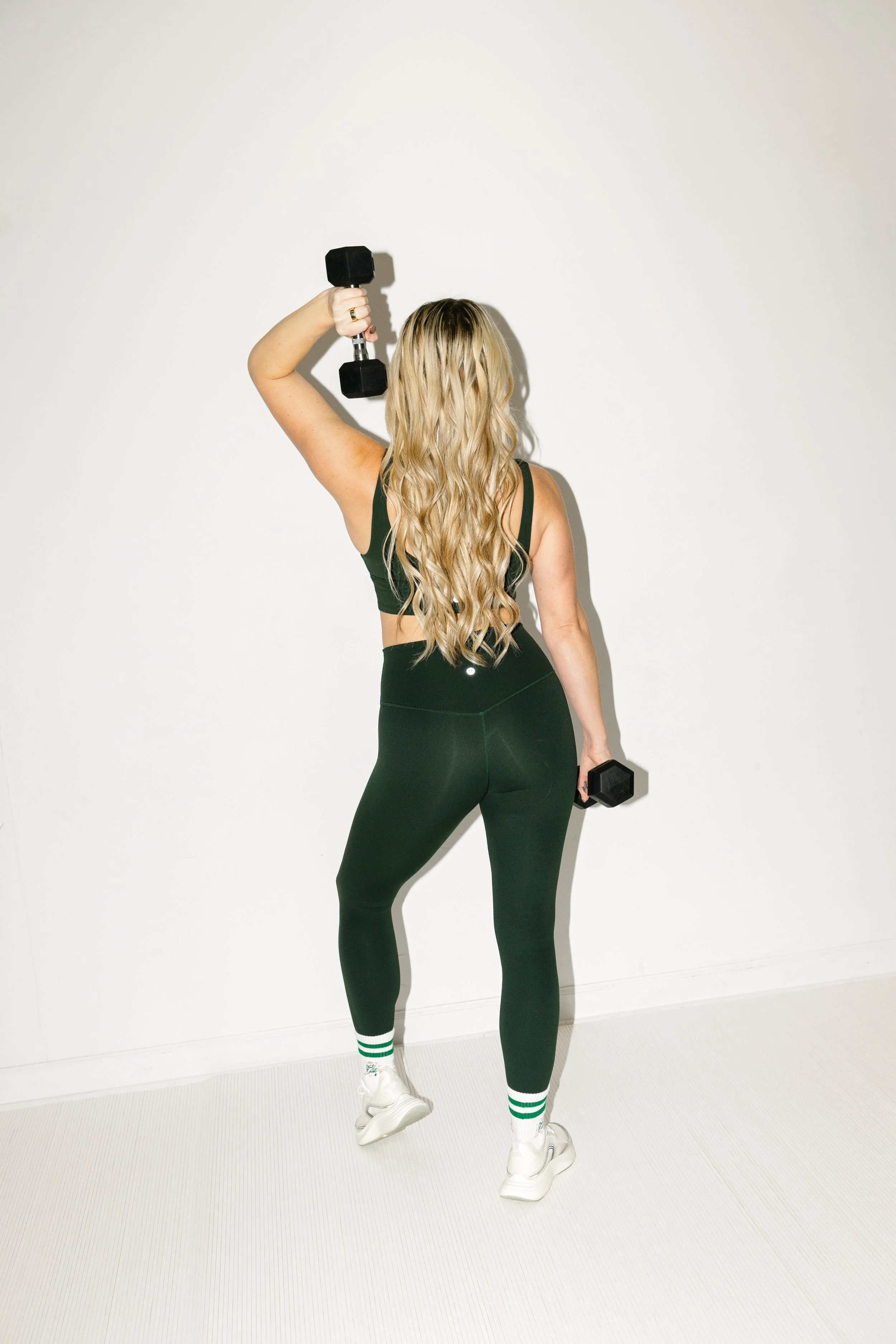
Your workouts do not need 12 different exercises.
A strong basic plan can include movements such as:
Squats
Lunges
Romanian deadlifts
Hip thrusts
Rows
Lat pulldowns
Chest presses
Shoulder presses
Step-ups
Core work
Focus on getting stronger gradually.
That may mean:
Adding a little weight
Adding a repetition
Improving your form
Feeling more confident with the movement
Progress does not need to be dramatic.
Small improvements count.
Pillar 2: Nutrition That Feels Sustainable
A fall reset is not the time to start starving yourself.
It is the time to get back to balanced meals.
If summer felt unstructured, your nutrition reset may simply mean:
Eating meals more consistently
Including more protein
Eating more meals at home
Adding fruits and vegetables
Drinking more water
Reducing mindless snacking
Planning simple meals
Instead of asking:
What should I cut out?
Ask:
What does this meal need?
A simple balanced meal can include:
Protein
Chicken, eggs, Greek yogurt, fish, lean beef, tofu, cottage cheese or another protein source
Carbohydrates
Rice, potatoes, oats, fruit, bread, pasta, beans or another carbohydrate source
Produce
Vegetables or fruit
Healthy fats
Avocado, olive oil, nuts, seeds or another fat source
That can be as simple as:
Chicken + rice + vegetables + avocado
Or:
Greek yogurt + berries + oats + chia seeds
You do not need a complicated plan.
You need meals that support your energy and are realistic for your life.
If your fall goals go beyond simply getting back into a routine and you want to focus specifically on losing fat, building lean muscle and getting stronger, my 6-Week Body Recomposition Plan for Women is a great next step.
Protein Helps Your Reset Feel Easier
Protein is one of the most useful things to focus on during a reset.
It can help support:
Muscle recovery
Fullness
More balanced meals
Strength goals
Reduced random snacking
Easy protein options include:
Eggs
Greek yogurt
Cottage cheese
Chicken
Turkey
Tuna
Salmon
Lean beef
Tofu
Edamame
Protein shakes
Try building your meals around a protein source first.
That one habit alone can make a big difference.
Do Not Fear Carbohydrates This Fall
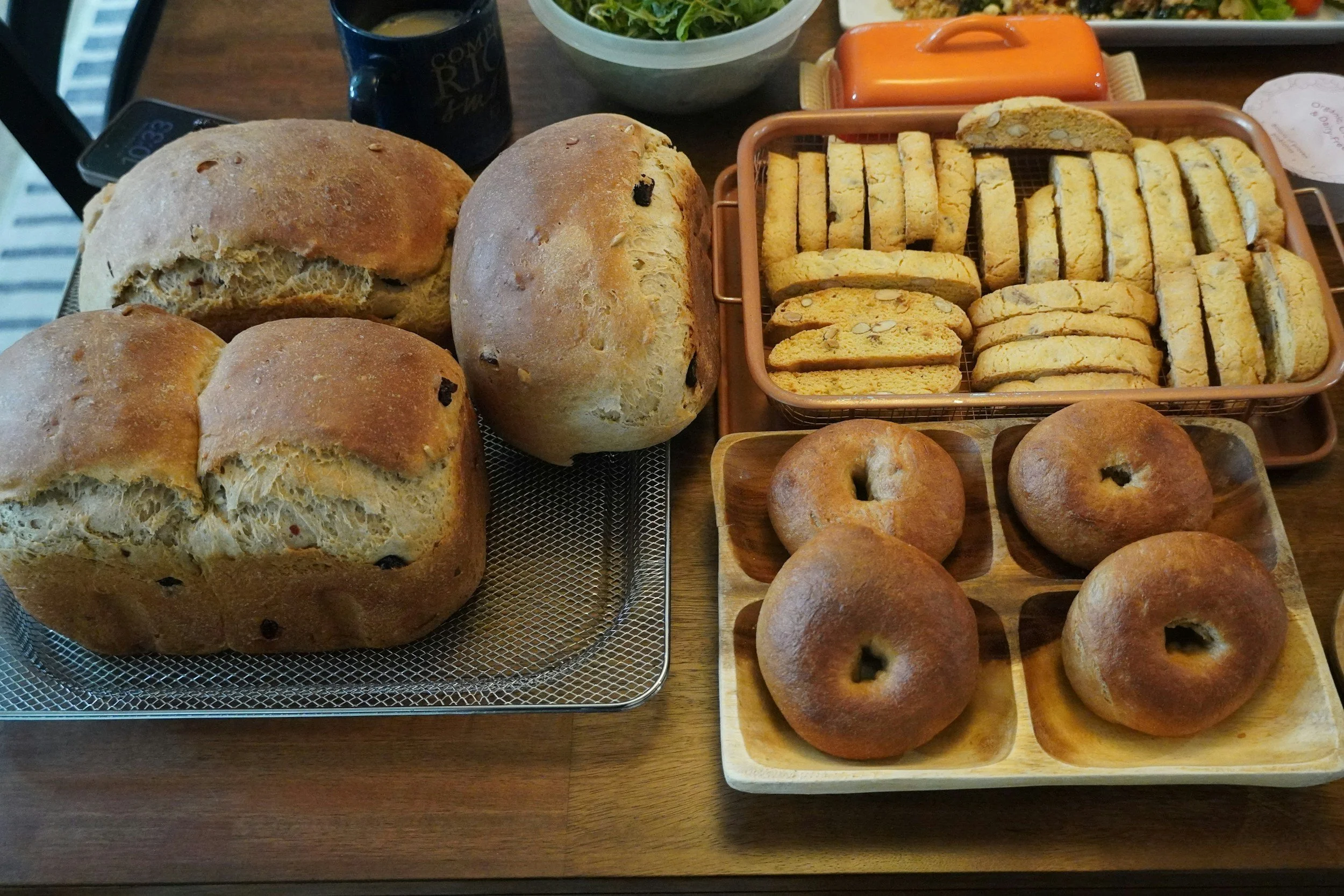
Many women try to “reset” by cutting carbohydrates.
But that often leaves them feeling:
Tired
Hungry
Irritable
Low energy in workouts
Carbohydrates can be part of a healthy reset.
Foods such as:
Oats
Fruit
Rice
Potatoes
Quinoa
Beans
Whole-grain bread
Pasta
can all fit into a balanced routine.
Carbohydrates help fuel your workouts and everyday activity.
You do not need to remove them.
You need portions and meals that make sense for your body and your goals.
Pillar 3: Daily Habits That Support Everything Else
Your workouts and meals matter.
But the daily habits around them matter too.
A fall reset should also include the basics.
Sleep
If your sleep has been inconsistent, this is a good place to start.
Try to:
Go to bed at a more consistent time
Limit late-night scrolling
Create a simple wind-down routine
Keep your room comfortable and dark
Avoid treating sleep like an afterthought
You do not have to create the perfect bedtime routine.
Even going to sleep 30 to 60 minutes earlier more consistently can help.
Sleep supports:
Recovery
Hunger regulation
Energy
Mood
Workout performance
Stress management
Walking and Daily Movement
Not every activity habit needs to be intense.
Walking is one of the easiest ways to support your reset.
Try:
A walk after lunch
A walk after dinner
Walking during calls
Parking farther away
Taking the stairs
A short walk in the morning
You do not need to obsess over the perfect step count.
Start by moving more than you are now.
Walking can support:
Stress relief
Digestion
Energy
Overall activity
Recovery
Simple movement still counts.
Hydration
This is basic, but it matters.
Sometimes low energy, headaches or increased hunger can be made worse by not drinking enough water.
Try:
Keeping a water bottle with you
Drinking water with meals
Starting your morning with water
Drinking more consistently throughout the day
You do not need to make hydration complicated.
You just need to be a little more intentional.
How to Build Habits That Actually Stick
A fall reset works best when you avoid the all-or-nothing mindset.
You do not need 12 habits.
Start with 2 to 4.
For example:
Strength train 3 times per week
Eat protein with each meal
Walk 20 minutes most days
Go to bed 30 minutes earlier
That is enough.
Once those habits feel more normal, you can build from there.
The goal is not:
Do everything now.
The goal is:
Do enough consistently.
Your 4-Week Fall Reset Plan
You do not need to overhaul your entire life in one day.
A step-by-step approach often works better.
Week 1: Rebuild Structure
This week is about getting organized.
Ask yourself:
What days will I work out?
What time will I go to bed?
What groceries do I need?
What habits feel most important right now?
Week 1 Focus
Choose your workout days
Plan 2 to 3 easy meals
Keep protein foods at home
Go to bed a little earlier
Start walking more regularly
You do not need perfection.
You need a plan.
Week 2: Focus on Protein and Meals
Now start improving meal consistency.
Week 2 Focus
Eat regular meals instead of skipping and overeating later
Include protein at breakfast, lunch and dinner
Add fruit or vegetables to more meals
Continue your strength workouts
Keep hydration more consistent
Simple meals are enough.
You do not need a full meal-prep Sunday with 18 containers.
Week 3: Focus on Strength and Progress
Now pay closer attention to your workouts.
Track:
Your exercises
The weights you use
Your repetitions
How you feel
Week 3 Focus
Complete your planned workouts
Try to improve a few exercises
Keep meals balanced
Continue walking
Stick to your bedtime routine more consistently
Confidence grows when your actions become familiar.
Week 4: Make It Sustainable
This week is about asking:
What can I keep doing after this reset?
Week 4 Focus
Notice which meals and habits worked best
Keep the habits that felt manageable
Remove unnecessary pressure
Make small adjustments
Build your next month around what was realistic
Your reset should lead to a routine you can continue.
Not a short burst of motivation that disappears.
A Simple Fall Reset Day
Here is what a realistic day could look like.
Breakfast
Greek yogurt, berries, oats and chia seeds
Lunch
Chicken, rice, vegetables and avocado
Snack
Apple with peanut butter
Dinner
Salmon, potatoes and broccoli
Movement
A 20 to 30-minute walk
Workout
A 45-minute strength session
Evening Habit
Go to bed earlier and put your phone away sooner
That is a reset.
Not because it is perfect.
But because it is consistent, balanced and doable.
I put together some of my favorite finds for strength training, meal prep, hydration, recovery and everyday wellness to help support your fall reset.
Whether you are refreshing your workout routine, getting more organized with meals or simply making your daily habits easier to stick with, these are some of the products I personally love and recommend.
A Simple Weekly Fall Reset Schedule
Here is one example:
Monday
Strength workout
Tuesday
Walk and balanced meals
Wednesday
Strength workout
Thursday
Walk and recovery
Friday
Strength workout
Saturday
Light activity, groceries or meal prep
Sunday
Rest and prepare for the week
This is not the only way to do it.
It is simply one example of what structure can look like.
Common Fall Reset Mistakes
Trying to Change Everything at Once
Doing too much too quickly often leads to burnout.
Start smaller.
Starting With Restriction
A reset should not begin with:
Skipping meals
Cutting all carbs
Eliminating dessert
Doing extra cardio to make up for summer
That usually does not last.
Making the Plan Too Complicated
If your reset requires a brand-new personality, it probably will not stick.
Keep it simple.
Relying Only on Motivation
Motivation comes and goes.
Routines help you continue when you do not feel excited.
Expecting Immediate Results
Your reset is about rebuilding habits.
Not seeing a perfect result in five days.
Focus on momentum first.
Results follow consistency.
What Success Actually Looks Like This Fall
Success may look like:
Going to the gym three times this week
Eating more balanced meals
Feeling less bloated
Getting stronger
Sleeping better
Walking more
Feeling more in control of your routine
Having fewer “start over Monday” moments
That is real progress.
Your reset does not need to look dramatic to be effective.
What Happens After the Reset?
At the end of your first month, review what worked.
Ask yourself:
Which habits felt easiest to keep?
Which meals supported my energy best?
Did my workouts feel manageable?
Am I getting stronger?
What kept getting in the way?
What can I continue next month?
Then keep the basics going.
The goal is not to “finish” your reset.
The goal is to use it as a starting point for a better season.
Conclusion
Your fall reset does not need to be extreme.
You do not need to:
Start over completely
Cut out your favorite foods
Work out every day
Follow a perfect meal plan
Wake up at 5 AM
Do everything at once
Instead, focus on the habits that actually support your life.
That means:
Strength training consistently
Eating balanced meals
Prioritizing protein
Keeping carbohydrates in perspective
Walking more
Sleeping better
Building routines that feel realistic
A good reset should help you feel:
Stronger
More energized
More grounded
More confident
More consistent
Most importantly, it should be something you can continue after the first few weeks.
The WELLTHY approach focuses on realistic nutrition, strength training and habit-building strategies that help women feel better in their bodies without extreme rules or all-or-nothing thinking.
Visit wellthybyerin.com for more support with nutrition, metabolism, strength training and sustainable fat loss.
Frequently Asked Questions
1. What is the best way to reset after summer?
Start with the basics.
Focus on your routine, meals, workouts, sleep and movement.
A reset does not need to be dramatic.
The best approach is one that feels realistic and helps you rebuild consistency.
2. How many days a week should I work out during a reset?
For many women, 3 strength workouts per week is a strong starting point.
You can also add walking or light cardio based on your energy, schedule and goals.
3. Should I cut carbs to get back on track?
No.
Carbohydrates can be part of a balanced routine and can help support energy and workouts.
Instead of removing them, focus on balanced meals and appropriate portions.
4. How do I make healthy habits actually stick?
Keep them simple.
Choose a few habits that fit your life, repeat them consistently and avoid trying to change everything at once.
Habits are more likely to stick when they are realistic.
5. What should I focus on first if I feel overwhelmed?
Start with 2 to 4 basics.
For example:
Strength train 3 times per week
Eat protein with meals
Walk regularly
Improve your bedtime routine
That is enough to create momentum.
6. How long should a reset last?
A reset can start with 2 to 4 weeks, but the real goal is to build habits that continue after that.
It is not a short-term challenge.
It is a way to create a more supportive routine.
Get The WELLTHY Fall Reset Guide inside Substack, a practical guide designed to help you reset your routine, rebuild consistency, and feel your best as you move into a new season. You’ll learn how to simplify your approach to strength training, nutrition, and daily habits so you can create a routine that actually fits your life. The guide focuses on realistic goals, balanced meals, consistent movement, better sleep, hydration, and simple habits you can repeat without feeling overwhelmed. It gives you an easy, sustainable framework to help you feel stronger, more energized, and back on track this fall.